
 See My Latest Article on HelloNation
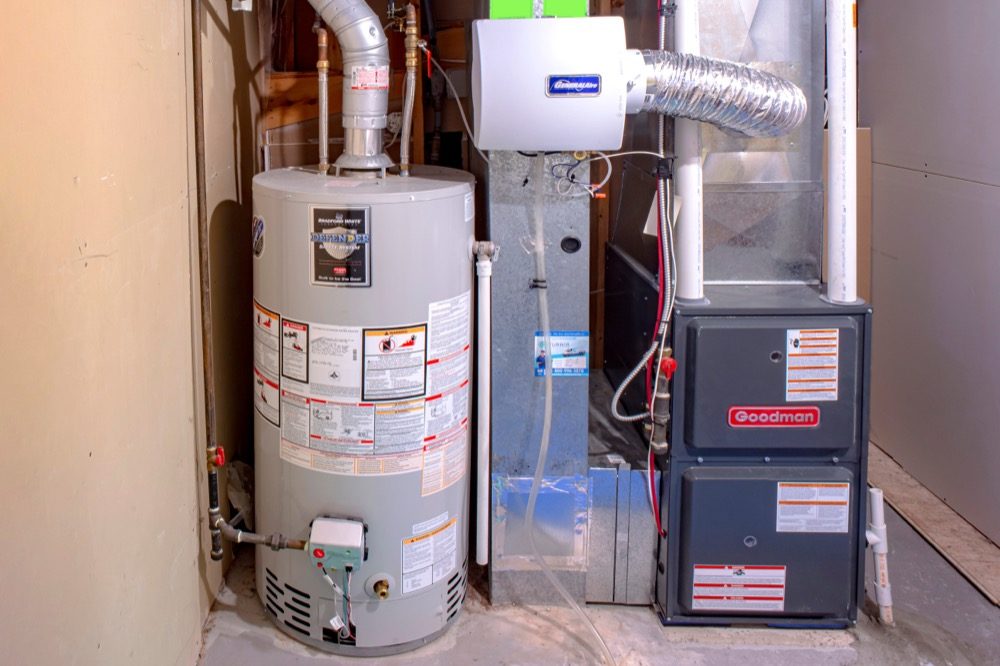
Seasonal allergies can become more noticeable indoors when a home’s heating and cooling system recirculates pollen, dust, pet dander, or mold spores. The HVAC system may not be the original source of an allergy problem, but filter condition, humidity, duct cleanliness, and ventilation can affect how long airborne particles remain inside.
For households in Canton, OH, changing outdoor conditions can make indoor air quality especially noticeable. Warm, humid periods may encourage mold and dust mites, while spring and fall can bring more pollen indoors through open doors, windows, clothing, and pets.
Can an HVAC system make allergies worse?
Yes, but usually indirectly. An HVAC system can distribute particles that have already entered the home, especially when the system operates frequently or the filter is overdue for replacement.
Common airborne irritants include:
- Pollen from outdoor plants
- Dust and dust-mite debris
- Pet dander
- Mold spores
- Fibers from carpets, furniture, and fabrics
- Fine particles stirred up by cleaning or household activity
A dirty filter may allow more particles to circulate and can also restrict airflow. Restricted airflow may reduce comfort and cause the system to run longer, which does not necessarily improve air quality.
An HVAC system can also contribute to problems if moisture collects inside equipment, drain pans, or ductwork. Persistent dampness can support mold growth. A musty odor, visible spotting, repeated condensation, or unexplained increases in respiratory irritation deserves attention.
What type of HVAC filter helps with allergies?
A higher-efficiency filter can capture more airborne particles, but the filter must be compatible with the HVAC system. A filter that is too restrictive for the equipment may reduce airflow, increase operating strain, and interfere with heating or cooling performance.
Filter ratings such as MERV describe how effectively a filter captures different particle sizes. A moderate-to-higher MERV filter may be useful for many homes, but the highest available rating is not automatically the best choice. The filter slot, blower capacity, duct design, and manufacturer requirements all matter.
Residents should check:
- The filter size printed on the existing filter or equipment
- The recommended filter rating in the equipment instructions
- Whether the filter becomes visibly loaded with dust before the expected replacement interval
- Whether airflow weakens after installing a denser filter
- Whether the filter fits tightly without bending or leaving open gaps
A filter should be replaced when it is visibly dirty, damaged, damp, or difficult to draw air through. Homes with pets, smokers, renovation dust, or residents with allergies may need more frequent replacement than the usual schedule.
Does changing the filter remove all allergens?
No. HVAC filtration only addresses particles that pass through the return-air system. It does not remove allergens from carpets, bedding, furniture, walls, or surfaces where larger particles have already settled.
Many particles are too heavy to remain airborne for long. Vacuuming, dusting, washing bedding, and reducing clutter can therefore be as important as filtration. Cleaning should be done in a way that limits redistribution. For example, a vacuum with effective filtration can reduce the amount of dust released back into the room.
Portable air cleaners may help in a specific bedroom or living area, but they are not a substitute for controlling moisture, cleaning surfaces, or maintaining the central HVAC filter.
How does humidity affect allergies?
Indoor humidity affects both mold and dust mites. High humidity can support dust-mite activity and mold growth, while very dry air may irritate the nose, throat, eyes, and skin.
A practical indoor relative-humidity target is generally about 30% to 50%. Keeping humidity below 60% is especially helpful for limiting moisture-related problems. A small digital humidity meter can show whether a basement, bedroom, or main living area is staying too damp.
In Canton, humid summer weather and damp basements can make moisture control a recurring concern. Helpful steps include:
- Running bathroom exhaust fans during and after showers
- Using kitchen ventilation when cooking
- Drying wet areas promptly
- Checking for condensation around windows and supply vents
- Keeping gutters and downspouts from directing water toward the foundation
- Using air conditioning or a dehumidifier when indoor humidity remains high
- Avoiding unnecessary use of portable humidifiers
A humidifier should not be operated simply because the air feels dry. It should be guided by an actual humidity reading.
Can dirty ductwork cause allergy symptoms?
Ductwork can collect dust, but ordinary dust inside ducts does not automatically mean the ducts require cleaning. The more meaningful concerns are visible mold growth, vermin contamination, substantial debris entering living spaces, or conditions that allow particles to be repeatedly released.
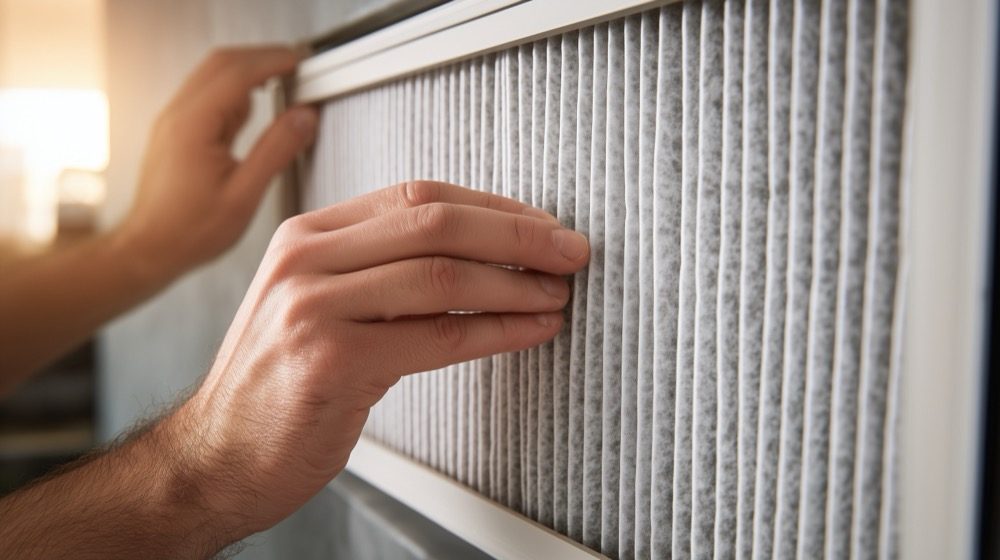
Duct cleaning also does not correct every indoor allergy source. It will not remove dust from mattresses, carpets, upholstered furniture, or clothing. It will not solve a roof leak, plumbing leak, wet basement, or high humidity.
If debris is coming from supply registers, if there is a persistent musty odor, or if moisture has affected insulated duct materials, the underlying cause should be identified rather than relying only on surface cleaning.
Should windows be open during allergy season?
Opening windows can improve ventilation, but it can also bring outdoor pollen and moisture indoors. The effect depends on outdoor conditions, indoor humidity, and the household’s sensitivity.
During periods of high pollen or high humidity, keeping windows closed may reduce symptoms. After pollen settles or outdoor conditions improve, brief ventilation may be reasonable if it does not raise indoor humidity or introduce noticeable irritants.
Pollen can also enter through doors, shoes, clothing, hair, and pets. Removing shoes at the entrance, washing bedding regularly, and changing clothes after extended outdoor activity can reduce the amount carried into living areas.
What HVAC symptoms suggest a maintenance or moisture problem?
Allergy-like symptoms do not always come from allergies. A home-related problem may be more likely when symptoms:
- Improve after leaving the house
- Become worse in one room or basement
- Appear after the heating or cooling system starts
- Occur with musty odors or visible moisture
- Affect several occupants at the same time
- Continue despite routine allergy-control steps
HVAC equipment should be shut down and evaluated promptly if there is standing water near electrical components, a strong burning smell, suspected combustion problems, or signs of carbon monoxide. Carbon monoxide does not cause typical allergy symptoms and cannot be detected by smell, so working carbon monoxide alarms are essential in homes with fuel-burning equipment.
What is the most practical allergy-control routine?
A useful routine combines filtration, moisture control, and household cleaning:
- Check the HVAC filter monthly and replace it when dirty or according to equipment guidance.
- Keep indoor humidity near 30% to 50%.
- Control leaks, condensation, and damp basement conditions quickly.
- Wash bedding regularly in hot water when appropriate for the fabric.
- Vacuum carpets and upholstered furniture consistently.
- Keep pets out of bedrooms if pet dander is a trigger.
- Clean return grilles and supply registers without scattering dust.
- Track whether symptoms change by room, season, or HVAC operating mode.
The HVAC system is one part of indoor air quality, not the entire solution. Better results usually come from addressing the source of allergens, limiting moisture, and maintaining filtration without restricting the equipment’s airflow.