
 See My Latest Article on HelloNation
Does Lowering the Thermostat Dramatically Make the Home Cool or Heat Faster?
Lowering the thermostat all the way down or up does not speed up how quickly a house in Canton gets comfortable. HVAC systems will work at their maximum rate until the set temperature is reached, regardless of how extreme the setting is. It may be tempting to set the dial lower on a muggy summer afternoon or higher after returning home on a cold winter evening, but the system still runs at the same pace—only for a longer period, which often leads to wasted energy and overshooting the comfort level.
Should You Close Vents in Unused Rooms to Save Energy?
It’s a common belief that closing vents reduces energy use, but this isn’t accurate for most homes in the area. Forced-air systems are carefully balanced for the home's layout. Shutting vents disrupts this balance, potentially causing higher duct pressure and making the system work harder. Over time, this can lead to unnecessary wear, duct leaks, and decreased efficiency. For energy savings, focus on insulation and air sealing, or discuss zoned controls if household needs are changing.
Do HVAC Filters Only Need to Be Changed Once a Year?
Filters protect both the HVAC equipment and indoor air quality. In a place like Canton, where heating systems work hard through winters and air conditioning is often needed from late spring through the humid fall, dust and pollen can build up quickly. Waiting an entire year between filter changes will harm efficiency and may let pollutants circulate. For most households, replacing filters every one to three months is far more effective—especially if there are pets, allergies, or heavy system use.
Is a Bigger HVAC System Always Better for Comfort?
Oversized systems may seem like a wise precaution against weather extremes, but they tend to short-cycle: turning on and off frequently. In this region’s climate—with hot, humid summers and cold winters—an oversized system won’t run long enough to properly remove humidity in summer or distribute heat evenly in winter. This can result in sticky air, uneven rooms, and higher utility bills. Properly sized equipment, tailored to the home’s design, age, and insulation, is what provides the best comfort and efficiency.
Should You Only Run the Air Conditioner on the Hottest Days?
Air conditioners do more than just lower the air temperature—they also reduce humidity. In Canton’s humid season, skipping AC use until the hottest days can allow moisture to build up indoors, leading to discomfort and potential mold issues. Even on mild or cloudy days, the feeling of stuffiness may be from high humidity, not temperature. Short cooling cycles just to manage moisture can make a sizable difference in household comfort.
Does Regular Maintenance Really Make a Noticeable Difference?
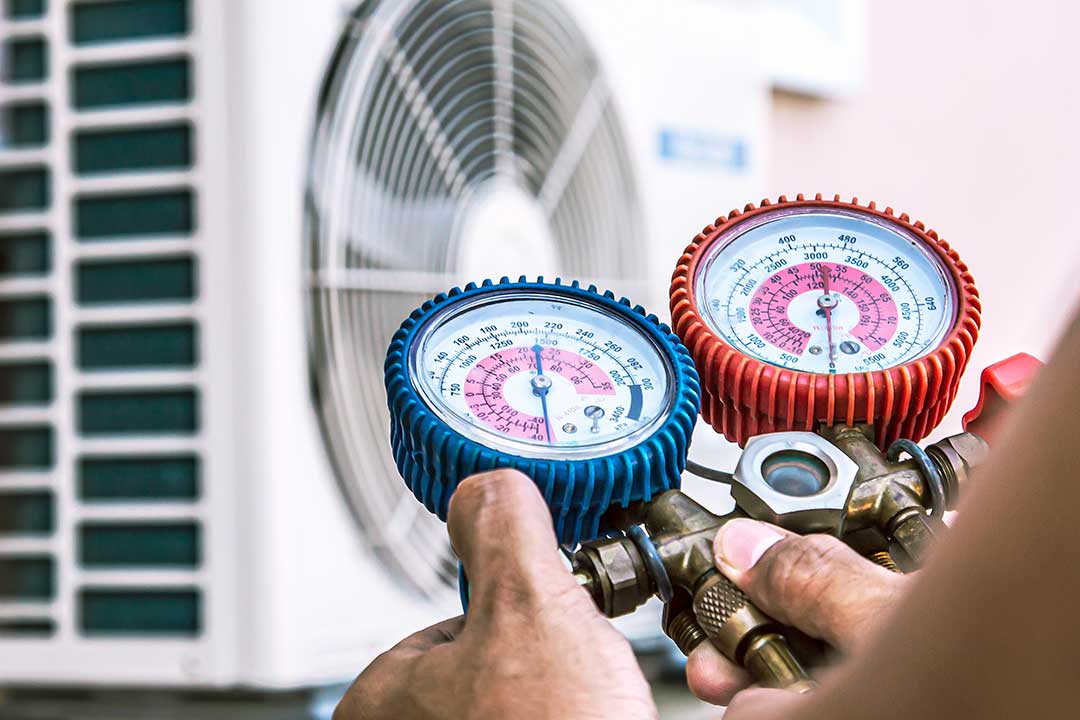
Consistent maintenance tasks like cleaning coils, checking refrigerant levels, and testing electrical components prevent small problems from escalating. Skipping routine checkups can allow minor wear or debris to gradually sap efficiency or even cause breakdowns during a heatwave or a cold snap. Simple actions like keeping outdoor units clear, clearing condensate drains, and scheduling seasonal system inspections keep everything operating reliably—something many in the community appreciate during periods of high system demand.
Are Programmable Thermostats Automatically Energy Savers?
Programmable thermostats have strong energy-saving potential in local homes, but only when they’re correctly set up. If programs aren’t tailored to real schedules—or if occupants manually override settings out of habit—the promised savings are often missed. Profiles should reflect daily routines as well as Canton’s early sunsets and chilly nights. It’s helpful to adjust the programming seasonally to account for changes like school scheduling, remote work, or vacation periods.
Can HVAC Systems Remove Odors and Smoke Without Any Other Help?
HVAC equipment can circulate and filter some airborne contaminants, but it won’t eliminate persistent odors, smoke, or pet smells on its own. Standard filters are designed to trap particulates like dust and pollen, not gases or strong odors. For issues like kitchen or tobacco smoke, additional strategies such as source control, ventilation, and specialty filtration are often needed for a fresher indoor environment.
Will Running a Ceiling Fan Only Cool the Room if the AC Is Off?
Fans don’t lower the actual air temperature; instead, they create airflow that makes bodies feel cooler. This wind-chill effect lets residents stay comfortable at higher thermostat settings. In homes throughout the city, ceiling fans often provide comfort in spring and fall, and can be used together with the AC in summer to circulate cooled air more effectively—especially in upper floors or rooms with less airflow.
Should Newer Homes Never Need HVAC Upgrades or Inspections?
Even newer builds in Canton can experience rapid filter clogs, thermostat troubles, or unexpected system wear. Construction dust, settling, and evolving family routines can create early maintenance needs. Ignoring them may shorten equipment lifespan and lead to avoidable issues later on. Occasional checks and timely response to minor problems help maintain comfort and efficiency, regardless of a home’s age.