
 See My Latest Article on HelloNation
Why Do Area Homes Need HVAC Inspections?
Routine inspections help ensure that heating and cooling systems in Canton, OH are running safely, efficiently, and reliably—especially with the fluctuation between cold winters and humid summers. Such check-ups help identify small issues before they become costly repairs and keep home comfort balanced no matter the season. While some maintenance tasks can be done by the homeowner, a complete inspection offers a deeper look at the system’s health.
What Is Included in a Thorough HVAC Inspection?
A professional inspection typically examines all major components of both the furnace and air conditioner (or heat pump), with attention paid to safety, performance, and wear. This means a detailed review of the following:
Furnace
- Checking burners for safe ignition and complete combustion
- Examining the heat exchanger for cracks or corrosion, which can cause carbon monoxide risks
- Inspecting the flue system for secure connections and blockages
- Verifying thermostat function and accuracy
Air Conditioner or Heat Pump
- Inspecting the refrigerant lines for leaks, wear, and insulation
- Measuring refrigerant levels to ensure efficient operation (for central AC)
- Cleaning and inspecting the evaporator and condenser coils
- Testing electrical contacts and controls for tightness and safety
Whole-System Elements
- Looking at the blower motor and fan for noise, balance, and performance
- Checking air filters, which may need cleaning or replacement more frequently in homes near roadways or during pollen-heavy seasons
- Reviewing belts, pulleys, and electrical connections for signs of wear or damage
- Inspecting ductwork where accessible, with an eye out for gaps, leaks, or excess dust inside
How Long Does the Process Take?
For most homes in Canton, a typical inspection by a knowledgeable technician takes between 60 to 90 minutes. This can vary with the age and complexity of the system, how easily components can be accessed, and whether both heating and cooling units are checked in the same visit.
Will Any Parts Be Taken Apart?
Some disassembly is standard practice. A technician will usually remove panels to access internal parts of the furnace and air handler, open the electrical panel, and gently lift covers off the outdoor air conditioning unit. However, there is no need to move large equipment or perform invasive work unless a problem is discovered that requires a deeper look.
What Questions Might the Technician Ask Residents?
A professional may ask about:
- Recent system issues or noises
- Comfort concerns in specific rooms
- How often filters are changed
- Any drafts, odors, or air quality issues
Providing honest answers helps the technician focus the inspection and tailor maintenance advice to the lifestyle and specific environment of the household.
How Is System Performance Checked?
Performance assessments go beyond a simple visual overview. The technician often:
- Measures temperature differences across the system (supply vs. return air)
- Tests electrical draw to ensure motors and compressors aren’t overworking
- Monitors the system during startup and shutdown for any unusual patterns
- Checks for steady airflow from all vents
In the city, where some homes have older ductwork or modifications from past remodels, technicians might note signs of airflow restriction or leakage that could affect comfort and energy use.
What Safety Checks Are Included?
Safety is especially important in regions with cold winters like Canton, where furnaces run for months. Inspectors look for:
- Carbon monoxide leaks using a detector, especially in homes with gas furnaces
- Secure venting to direct exhaust outdoors
- Wiring free from corrosion or rodent damage
- Proper emergency shutoff switches and labels
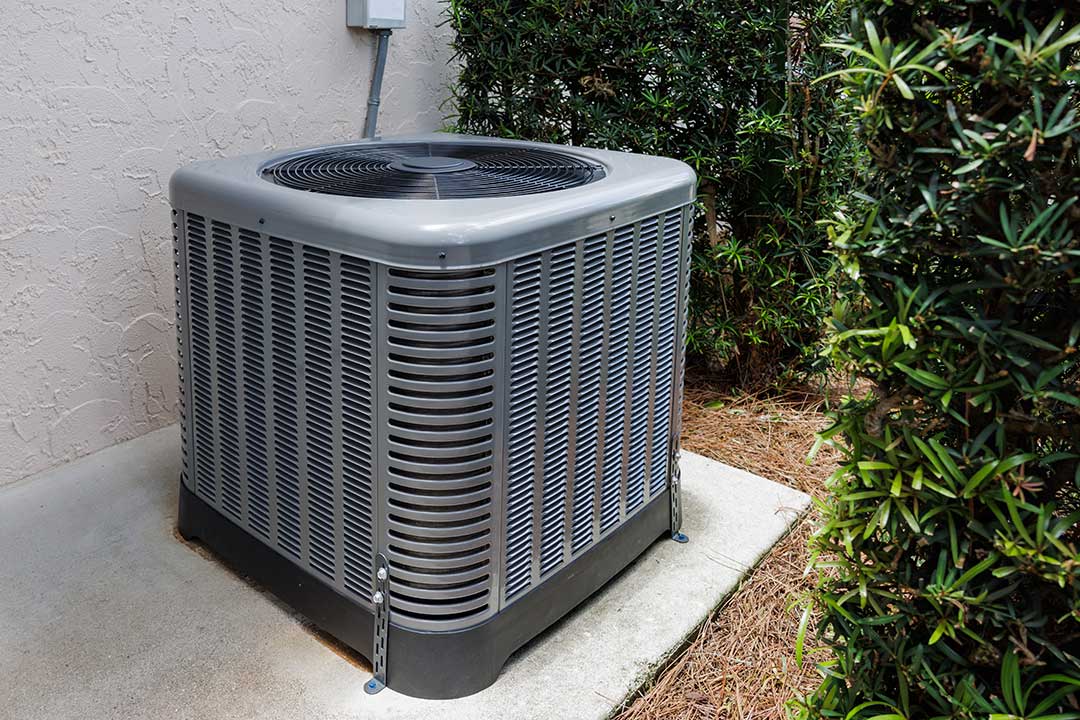
These steps aim to reduce risks from fire, electrical hazards, or dangerous gases, providing peace of mind to area households.
Do Inspectors Make Adjustments on the Spot?
Minor tune-ups are often included, such as:
- Tightening electrical terminals
- Cleaning flame sensors and condensate drains
- Light lubrication of motors or fans
- Adjusting thermostat calibration
Larger repairs, such as replacing worn components or fixing refrigerant leaks, are typically not handled during the routine inspection but may be recommended if discovered.
Are Inspection Results Provided in Writing?
Most technicians leave a detailed assessment outlining:
- Components inspected and any concerns found
- Recommendations for maintenance or repair
- Test results for system performance and safety
Residents in the city can use this information for planning future maintenance and keeping records for warranty or home resale value.
Common Misconceptions About HVAC Inspections
Some assume that inspections are only necessary when there’s a problem. In reality, many issues are nearly invisible until they grow worse. For example:
- Small duct leaks can increase utility bills but don’t always cause obvious drafts
- Dirty coils or filters reduce efficiency gradually, making the system work harder over time
- A cracked heat exchanger may produce no visible symptoms until tested with proper equipment
Routine inspections help find these problems early, protecting comfort, safety, and energy use in the home.
How Often Should Inspections Be Scheduled Around Canton?
Given the city’s climate, most experts recommend an annual checkup for both heating and cooling—ideally before the heavy-use season begins. For homes with older systems, or those with allergy-sensitive residents, twice-a-year checks (spring for cooling, fall for heating) may be beneficial.
Different neighborhoods within the community may see varied service intervals based on factors like tree cover, nearby construction, or older house layouts, all of which may influence how quickly filters get dirty or systems accumulate dust.