
 See My Latest Article on HelloNation
Why Do HVAC Filters Need Changing?
HVAC filters capture dust, pollen, and debris from the air flowing through your heating and cooling system. Over time, these filters become dirty, making your equipment work harder and reducing indoor air quality. In Canton, OH, where heating and cooling systems tend to run throughout the changing seasons, clogged filters are a common root cause of reduced comfort, increased energy use, and even preventable repairs.
Homeowners sometimes wonder if filter changes are necessary—especially if the air in the home looks and feels clean. However, even a mostly clean-appearing filter can restrict airflow if it's full of microscopic particles. Regular changes help ensure a healthier environment and efficient equipment operation for typical area households.
How Often Should HVAC Filters Be Changed in Canton, OH?
Most households in the city should check and likely replace standard one-inch filters about every 45-90 days, especially during peak use in the winter or summer. Some situations may require more frequent changes:
- Smokers or pets in the home can reduce the filter's lifespan.
- High levels of pollen or dust, especially during spring or fall.
- Recent home renovations or construction.
Larger or specialty filters sometimes last longer—up to six months or even a year—but those are less common in older homes found in many neighborhoods around the community. Checking the filter monthly is the simplest way to stay ahead, especially during heavy heating or cooling use.
Where Is the HVAC Filter Located in Most Homes?
The precise spot depends on the type of system installed. In many local homes, especially those with basements or utility rooms, the filter is found:
- In a slot on the side or bottom of the furnace unit, sometimes behind a small metal door or cover.
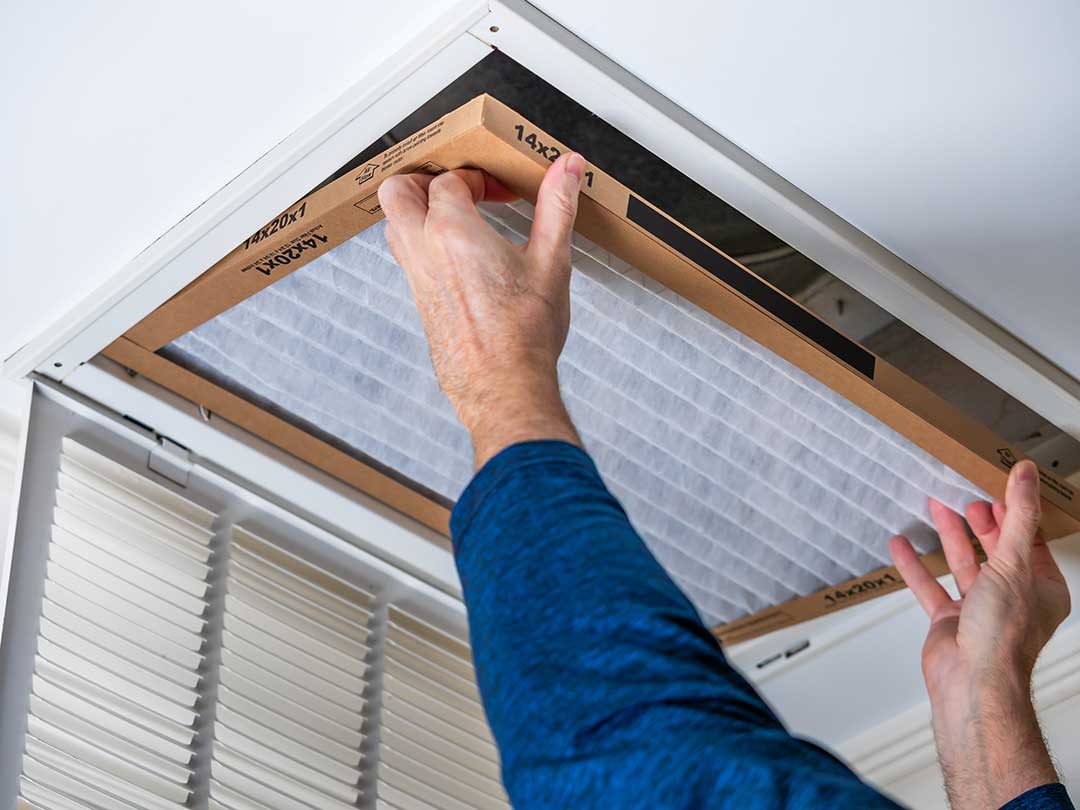
- Inside a ceiling or wall return air grille, commonly in hallways or near the main living area.
If you're uncertain, look for a removable cover near where large air ducts connect to the main heating or cooling unit. The filter always sits where air returns to the system, never where it blows out.
What Tools and Supplies Are Needed?
For most filter changes, no special tools are required:
- A new filter of the correct size (noted on the filter frame or furnace label)
- A damp cloth for wiping up dust or debris
- Optional: Gloves for those sensitive to dust or allergens
Before beginning, turn off the HVAC system at the thermostat to prevent it from running without a filter during the change.
What Steps Are Involved in Replacing an HVAC Filter?
Changing an HVAC filter usually takes just a few minutes. Here’s a step-by-step guide tailored to the kinds of systems and housing layouts common across Canton:
1. Locate the Filter: Identify the main furnace unit or return air grille as described above.
2. Open the Access Panel: Slide or lift the cover, or gently pull open the return grille using the tab or latch.
3. Remove the Old Filter: Note the direction of airflow arrows printed on the frame. Pull the filter straight out.
4. Check the Old Filter: If it appears gray or loaded with dust, replacement was needed. If you see large amounts of debris, check monthly in the future.
5. Wipe the Filter Slot: Dust or vacuum the area to prevent buildup inside the HVAC system.
6. Insert the New Filter: Ensure the airflow arrows on the new filter point in the same direction as the old one—typically toward the furnace or ductwork, not away from it.
7. Close the Cover: Make sure it seats securely for a proper seal.
8. Restart the System: Turn the HVAC system back on from the thermostat.
Some homeowners in the area report uncertainty about airflow direction. The arrows printed on the filter frame should always point toward the equipment and away from the duct bringing air in.
What Size and Type of Filter Is Needed?
Most filters are labeled with their measurements along the edge, such as 16x25x1 or 20x20x1 (width x height x thickness, in inches). Write down the numbers before heading to a local home supply store. Choosing the right fit ensures air will flow and the filter will stay in place.
The majority of Canton homes use one-inch thick, disposable pleated filters. Specialty or high-efficiency filters are available but may not fit older units without modification. Some residents install washable filters, but these require regular cleaning and complete drying before reuse. If anyone in your home has allergies or respiratory sensitivities, a higher-rated filter (such as those labeled MERV 8–13) can help capture additional airborne particles, but it’s important not to over-restrict airflow on older equipment.
Are There Signs It's Time to Replace the Filter Sooner?
Aside from knowing your last change date or finding a visibly dirty filter, certain clues suggest earlier replacement may be wise:
- Noticeable dust buildup on indoor surfaces
- Allergy or asthma symptoms worsening indoors
- Heating or cooling seems less effective than usual
- The system runs longer or more often, especially without feeling additional comfort
Heavy appliance use, pets, and local pollen or outdoor debris (such as from nearby fields or during spring blooms) may mean filters in the city need changing more often than generic packaging suggests.
Can Skipping Filter Changes Cause Problems?
Neglecting regular filter changes makes heating and cooling systems less efficient, often leading to:
- Higher energy costs as the system strains to move air
- Unnecessary wear on blower motors or fans, sometimes causing mid-season breakdowns
- Frozen coils in air conditioners or overheating in furnaces
- Reduced indoor air quality, exacerbating respiratory or allergy issues
These problems are among the most frequently reported HVAC complaints from local residents and typically can be avoided by sticking to a regular filter replacement schedule.
What Else Should Residents Know About HVAC Filter Maintenance?
Filters are just one part of maintaining home air systems, but proper care stretches the life of expensive equipment and improves comfort. Unexpected filter locations, seasonal factors unique to the area, and habits like burning candles or leaving doors and windows open regularly may affect how often a change is needed.
Whenever you’re unsure about the state of your filter or system, checking it is safe and straightforward for most area residents and can be done without tools or professional training.