
 See My Latest Article on HelloNation

When it comes to staying comfortable through the distinct seasons in Canton, OH, having the right size HVAC system in your home is essential. An improperly sized unit can lead to inefficiency, uneven temperatures, higher energy bills, and even a shortened system lifespan. But how do you know what size HVAC system is ideal for your unique space? This guide covers the essentials every Canton homeowner needs to make an informed choice.
Why Proper HVAC Sizing Matters
In the Canton area, we’re used to warm, humid summers and cold, snowy winters. Your HVAC system doesn’t just keep you comfortable—it’s a major investment affecting your home’s energy consumption and longevity. Both oversized and undersized systems come with significant drawbacks:
- Oversized HVAC Systems: These heat or cool your home too quickly, causing frequent cycling. This can increase wear and tear, reduce system lifespan, and create temperature swings.
- Undersized HVAC Systems: These work overtime but can’t adequately condition the space. This leads to discomfort, uneven heating or cooling, and potential system breakdowns—especially on those January nights when temperatures plummet.
Key Factors in Choosing the Right Size HVAC System
Choosing the right HVAC size isn’t about square footage alone. Several important variables influence the perfect fit, particularly here in Stark County.
1. Home Square Footage
The starting point is your home’s total living space. HVAC technicians use measurements in “BTUs” (British Thermal Units) for heating and cooling capacity. Generally, more square footage needs more BTUs.
2. Insulation Quality
Canton’s older homes, especially those in historic neighborhoods, often have varied insulation levels. Well-insulated homes retain conditioned air more efficiently, potentially allowing for a slightly smaller system. Conversely, homes with poor or aging insulation might require a more powerful unit.
3. Windows and Doors
The number, size, and type of windows and doors affect energy loss. Large, north-facing or drafty windows common in some Canton-area designs can mean your HVAC system needs more power to maintain a comfortable temperature.
4. Ceiling Height and Layout
Open floor plans or vaulted ceilings, found in many newer suburban builds around Canton, increase the volume of air that needs heating and cooling. This directly impacts the size of your HVAC requirement.
5. Local Climate Considerations
Stark County weather brings frigid winters and humid, muggy summers. Your HVAC system must be able to handle both ends of the climate spectrum, emphasizing the importance of proper sizing for year-round comfort.
6. Household Habits and Occupancy
The number of people living in your home, use of heat-producing appliances, and lifestyle habits—like frequent gatherings or working from home—can all influence your system’s workload and appropriate size.
How HVAC Pros Size Your System: The “Manual J” Calculation
Reputable HVAC professionals use a formula called a “Manual J load calculation” to determine the exact requirements for each Canton home. This process accounts for:
- Local weather data
- Orientation and shading of the home
- Square footage and room layout
- Insulation R-values
- Number and type of windows and doors
- Occupancy and typical usage
This calculation ensures your HVAC system effectively meets your needs—no more, no less.
Common Pitfalls: Why Bigger Isn’t Always Better
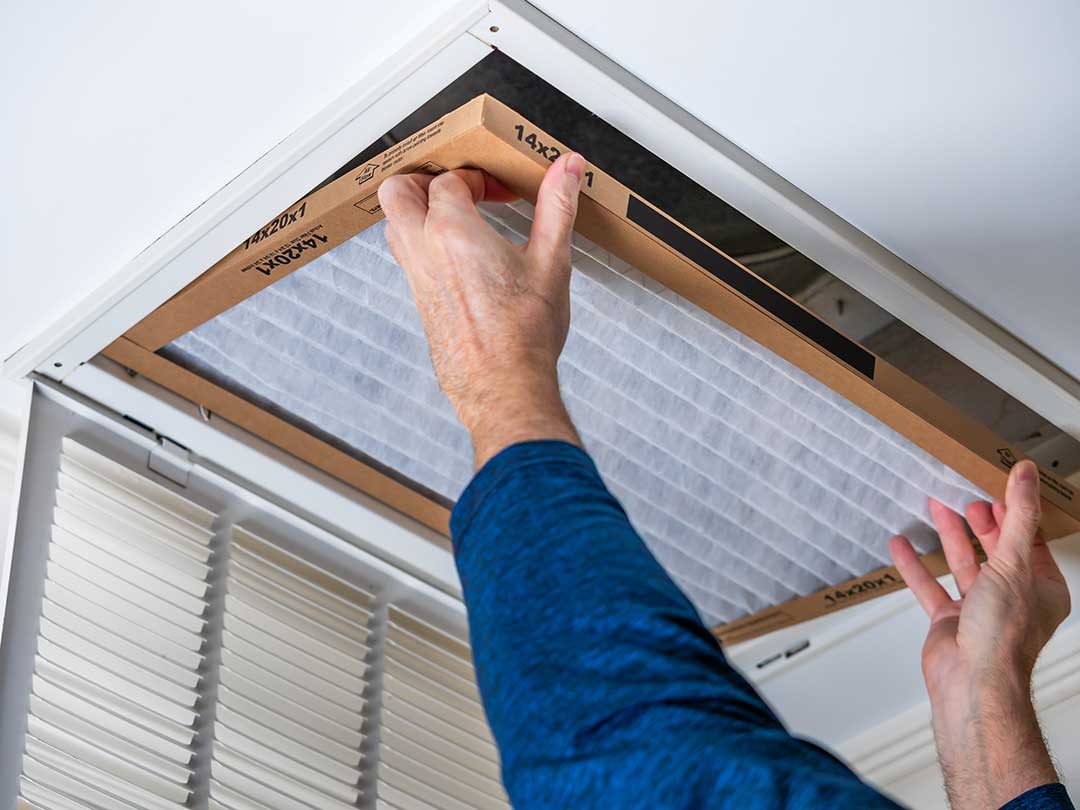
It’s easy to think that a bigger, more powerful unit will heat or cool your home faster and better. In reality, an oversized HVAC unit in Canton’s changing climate rarely spells comfort. Here’s why:
- Short-Cycling: The system turns on and off rapidly, never running long enough to filter air or properly dehumidify in summer.
- Uneven Temperatures: Rooms closest to the system may be too cold or hot, while others remain uncomfortable.
- Increased Costs: More frequent cycles increase energy usage and wear out components faster.
Tips for Canton Homeowners: Getting the Sizing Right
Choosing the right HVAC system size is vital. Here’s how to set yourself up for success in Canton:
- Schedule a Professional Assessment: Don’t rely on rough “rules of thumb.” Hire a local, licensed HVAC technician who will perform a detailed Manual J calculation.
- Be Upfront About Your Home and Habits: Share details about insulation upgrades, window replacements, or unique needs, such as in-home offices or finished basements.
- Consider Future Plans: If you might finish your attic or add a sunroom, factor this into your HVAC planning.
- Check Efficiency Ratings: Higher efficiency units (SEER for air conditioners, AFUE for furnaces) can maximize performance, sometimes allowing for slightly smaller system sizes.
Frequently Asked Questions: HVAC Sizing in Canton, OH
1. Can I use online calculators for HVAC sizing?
They can give a ballpark figure, but only a professional load calculation reflects the unique aspects of Canton homes and our local climate.
2. Will a bigger system keep my house cooler in summer?
Not necessarily. An oversized system may cool rooms quickly but leave behind humidity and uneven temperatures.
3. How often should I re-evaluate my HVAC size?
Whenever you make changes like finishing a basement, adding rooms, or significantly upgrading insulation or windows, you should reassess your HVAC requirements.
4. What happens if my system is too small?
It will run constantly, struggle to keep you comfortable—especially in Canton’s extreme temperatures—and may break down sooner.
The Bottom Line: Comfort and Efficiency Go Hand-in-Hand
Canton homeowners know the value of comfort during our snowy winters and hot summer days. By choosing the right size HVAC system, you protect your investment, increase energy efficiency, and enjoy consistent comfort. Partner with a trusted local HVAC expert, insist on a proper Manual J calculation, and your home will be equipped to handle whatever Ohio weather brings.