
 See My Latest Article on HelloNation
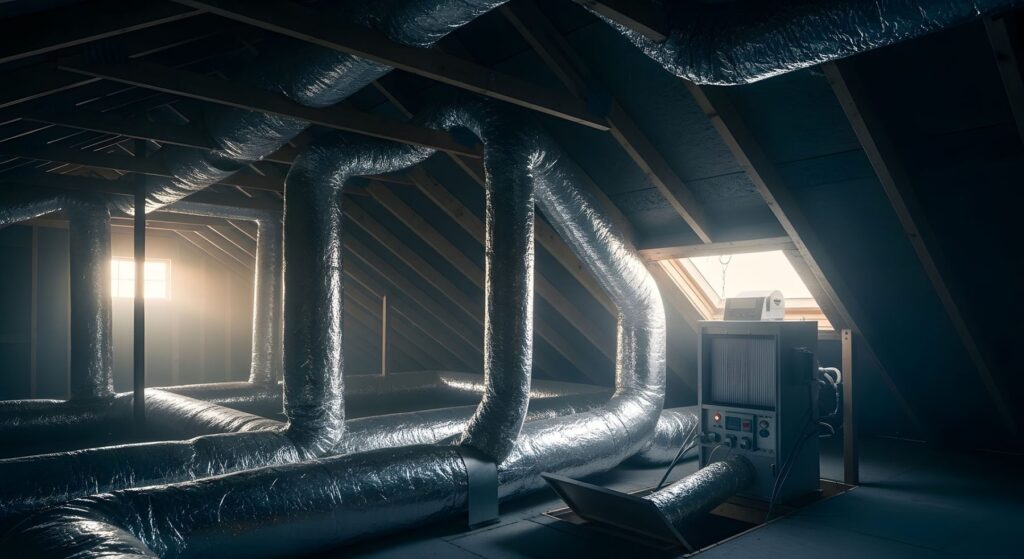
Humidity affects more than comfort. In a home, moisture in the air influences how hard an HVAC system works, how well it removes heat, how often it cycles, and whether problems such as mold, condensation, or static electricity develop.
For households in Canton, OH, humidity concerns can change with the season. Summer air may feel damp, while winter heating can make indoor air unusually dry. Understanding that balance helps explain why a home may feel uncomfortable even when the thermostat shows the desired temperature.
What does humidity do to an HVAC system?
High humidity makes cooling more demanding, while very dry air can make heating systems run in ways that do not fully address comfort. The HVAC system must manage both temperature and moisture, but a standard thermostat usually measures temperature only.
During warm weather, an air conditioner removes heat and some moisture as indoor air passes over the cold evaporator coil. If the system runs long enough, it can reduce humidity effectively. If it is oversized, poorly maintained, or frequently interrupted by short cycles, it may cool the room without removing enough moisture.
That can leave a home feeling:
- Cool but clammy
- Damp near exterior walls or windows
- Musty in basements, closets, or unused rooms
- Uncomfortable at a thermostat setting that would normally feel reasonable
High indoor humidity also adds work for the air conditioner. Moist air requires more energy to cool, and the system may operate longer during humid conditions.
What indoor humidity level is generally comfortable?
Many homes are most comfortable when indoor relative humidity stays roughly between 30% and 50%. The ideal level can vary with outdoor conditions, construction, ventilation, and the needs of people living in the home.
A basic digital hygrometer can show relative humidity in different rooms. Readings are often more useful when taken in several locations, such as:
- The main living area
- A bedroom
- A basement or lower level
- A room with recurring condensation or musty odors
A reading above 60% for extended periods suggests that moisture control deserves attention. Levels below about 30% may contribute to dry skin, irritated airways, static electricity, and shrinking or cracking in some wood materials.
Relative humidity is not the same as the amount of water in the air. Cold outdoor air may contain little moisture, but once that air enters a heated home, its relative humidity can drop sharply. This is why winter air can feel dry even when the outdoor air seems damp.
Why can a home feel humid even when the air conditioner is running?
An operating air conditioner does not automatically mean that humidity is being controlled effectively. Several conditions can allow moisture to remain indoors.
An oversized system may lower the temperature quickly and shut off before the coil has enough operating time to remove substantial moisture. Short cycling can have a similar effect. The system repeatedly starts and stops, using energy while providing limited dehumidification.
Other possible causes include:
- A clogged air filter restricting airflow
- A dirty evaporator coil reducing heat transfer
- Blocked or poorly designed return-air pathways
- Open windows or doors during muggy weather
- Leaks around ducts, foundations, windows, or plumbing
- Exhaust fans that remove conditioned air without adequate replacement air
- Moisture entering from a basement or crawlspace
- A condensate drain that is blocked or not draining properly
In older housing, air leakage can be especially influential. Moist outdoor air may enter through gaps around windows, doors, utility penetrations, and attic access points. The air conditioner then has to remove that moisture after it enters.
How does winter dryness affect heating systems?
Winter heating usually lowers indoor relative humidity because heated air can hold more moisture. A home may feel dry even if the furnace or heat pump is operating normally.
Dry indoor air can cause:
- Chapped skin and irritated eyes
- Scratchy throats or dry nasal passages
- More static shocks
- Shrinking wood flooring, trim, or furniture
- Gaps developing between wood boards
- Increased dust movement and discomfort from airborne particles
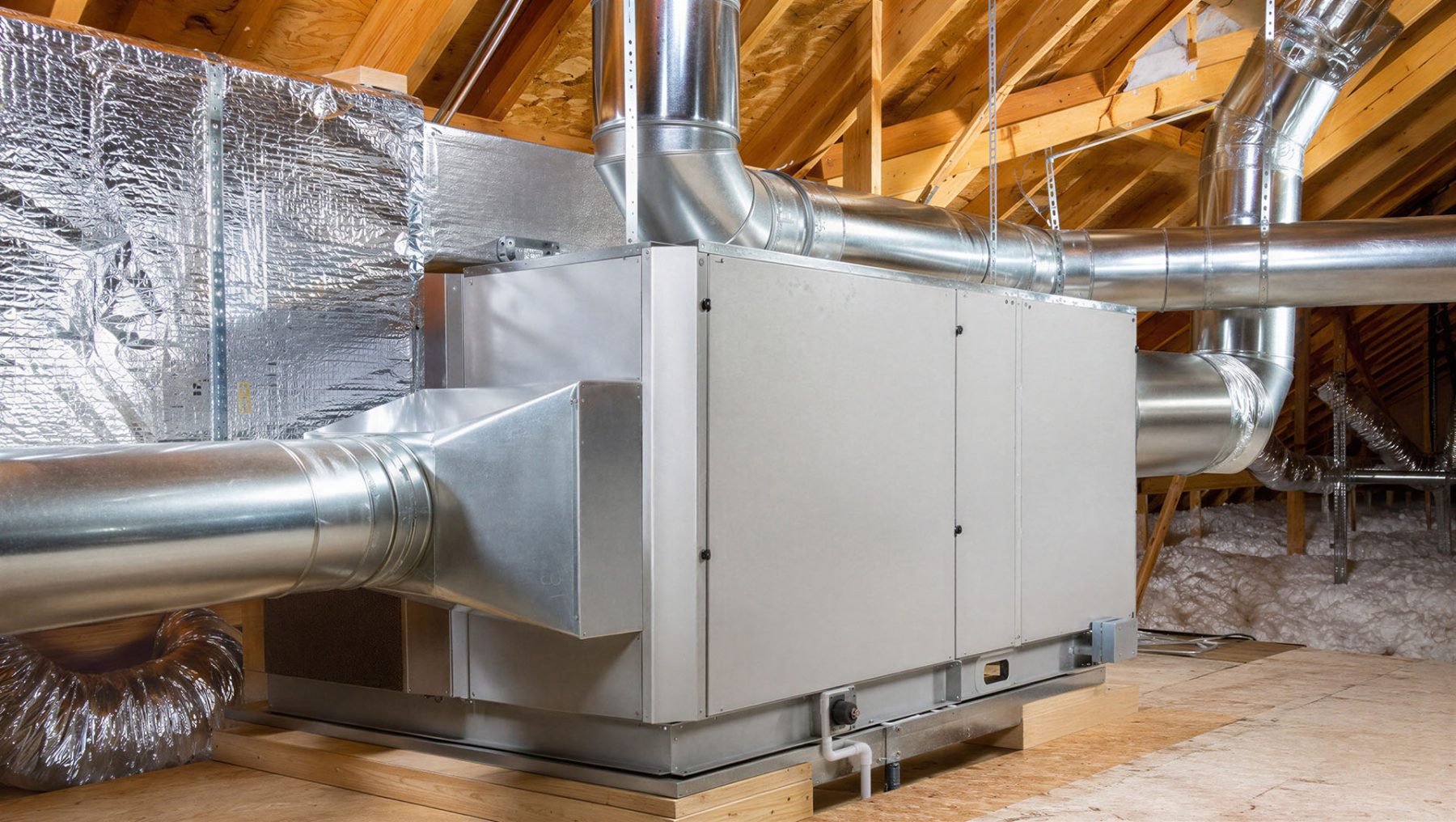
A heating system does not normally “remove” moisture in the same way an air conditioner does. Instead, the heating process raises air temperature, which lowers relative humidity unless moisture is added from cooking, bathing, plants, occupants, or a humidification system.
Adding moisture without measuring first can create a different problem. Excess humidity may condense on cold windows, exterior walls, ductwork, or attic surfaces. That moisture can contribute to staining, deterioration, or biological growth.
Can humidity damage HVAC equipment?
Persistent moisture can shorten the useful life of HVAC components and create maintenance concerns. High humidity may encourage corrosion on metal parts, electrical connections, fasteners, and indoor coils. A wet or dirty environment can also increase the chance of odors developing on coils, drain pans, filters, and duct surfaces.
The condensate drain system deserves particular attention. Air conditioners naturally produce water as they dehumidify indoor air. That water should collect in a drain pan and leave the equipment through a properly functioning drain. If the drain becomes blocked, water can overflow and damage nearby materials.
A practical warning sign is water appearing around the indoor unit, near a drain line, or below a ceiling-mounted system. Turning off the equipment may help limit damage, but electrical hazards and water near wiring should be treated cautiously.
What can Canton households do to manage humidity?
Humidity control begins with measurement and moisture reduction rather than adjusting the thermostat repeatedly.
Useful steps include:
- Use bathroom exhaust fans during showers and for a short period afterward.
- Vent cooking moisture outdoors when possible.
- Keep basement and lower-level areas free of standing water.
- Check that gutters and downspouts direct water away from the foundation.
- Avoid drying large amounts of laundry indoors without ventilation.
- Replace or clean air filters according to the equipment and filter type.
- Keep supply and return vents unobstructed.
- Close windows during hot, humid weather.
- Use a dehumidifier in persistently damp lower-level spaces, while emptying or draining it safely.
- Use a humidifier cautiously during winter and monitor indoor humidity with a hygrometer.
In a tightly sealed home, ventilation also matters. Removing indoor air without allowing controlled replacement air can create pressure imbalances. Conversely, bringing in large amounts of unconditioned outdoor air during muggy weather can increase the cooling and dehumidification load.
When does humidity point to a larger HVAC or building problem?
Humidity deserves closer investigation when it remains high despite normal equipment operation, or when moisture appears in places where it should not. Persistent condensation on windows, musty odors, peeling paint, damp insulation, recurring mold-like growth, or water near HVAC equipment may indicate more than ordinary seasonal discomfort.
Safety-related concerns should not be ignored. Electrical components exposed to water, suspected refrigerant problems, inaccessible equipment, and active leaks require qualified evaluation because improper handling can cause injury or additional property damage.
The most useful first step is usually to document the pattern: indoor humidity readings, room locations, outdoor conditions, thermostat settings, and when symptoms occur. That information can help distinguish between a moisture source, an airflow problem, equipment sizing, or a building-envelope issue.
Humidity is therefore not separate from HVAC performance. Temperature, moisture, airflow, insulation, ventilation, and drainage all interact. Keeping those factors in balance can improve comfort, reduce unnecessary system strain, and help protect the home through Canton’s humid summers and dry winter heating season.