
 See My Latest Article on HelloNation
Winter preparation helps an HVAC system operate more safely, efficiently, and consistently during cold weather. In Canton, OH, homes may experience freezing temperatures, snow, wind, and long heating periods, so a few checks before the first sustained cold spell can reduce avoidable problems.
What should be checked before turning on the heat?
Start with the heating system, thermostat, air filter, vents, and outdoor equipment if the home uses a heat pump. These basic checks can identify airflow restrictions, electrical concerns, or visible damage before the system must run continuously.
Test the thermostat
Set the thermostat several degrees above the current indoor temperature and allow the system to run for several minutes. Listen for normal startup sounds and check whether warm air reaches the rooms.
A thermostat that displays a low-battery warning, loses its programmed settings, or fails to respond may need new batteries or further attention. If the home has a programmable thermostat, review the schedule for winter use. A moderate nighttime setback can reduce energy use, but large temperature changes may make the system run for an extended period while recovering.
Replace or inspect the air filter
A dirty filter restricts airflow and can make a furnace or heat pump work harder. It may also cause uneven temperatures, more dust, or repeated system cycling.
Check the filter before the heating season and follow the replacement interval listed on the filter or equipment instructions. Homes with pets, fireplaces, renovation dust, or occupants with respiratory sensitivities may require more frequent changes. The filter should fit securely without being bent or forced into place.
Open supply and return vents
Make sure supply registers are not blocked by furniture, rugs, curtains, or storage boxes. Return grilles also need open space so the system can pull air back through the house.
Closing many vents does not reliably redirect heat to colder rooms. It can instead reduce total airflow and place additional strain on the equipment. Adjusting a small number of registers is reasonable, but the system generally works best when most vents remain open.
How can outdoor HVAC equipment be protected?
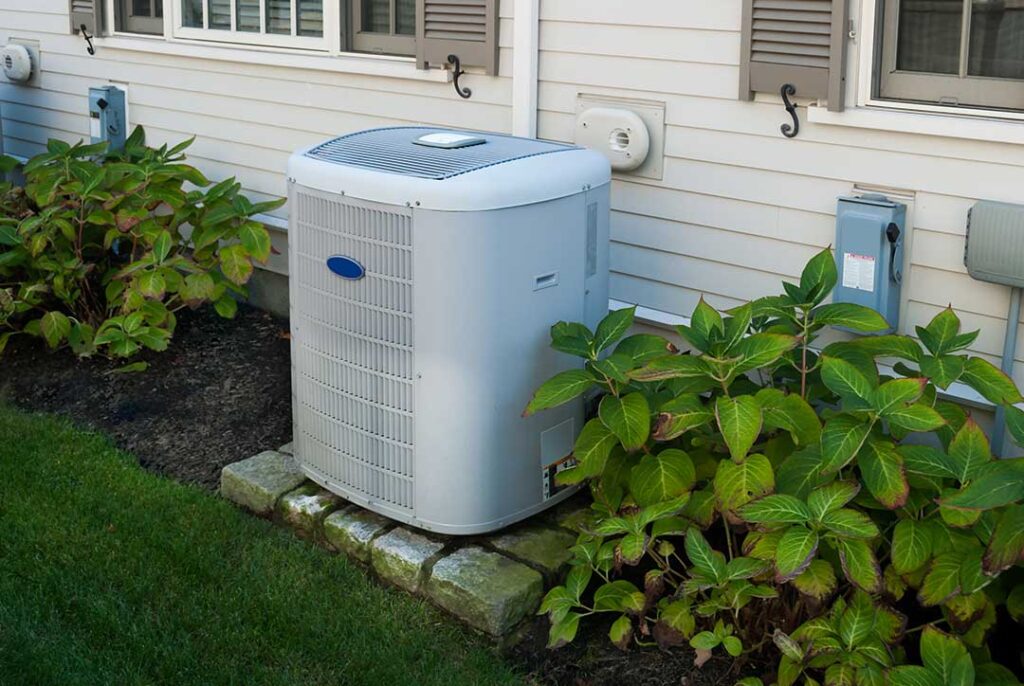
Heat pumps and other outdoor units need clear airflow throughout winter. Remove leaves, grass, and loose debris from around the equipment, but do not cover the unit with plastic or an airtight enclosure while it is operating.
Maintain several feet of open space around the outdoor unit when possible. Snow, branches, lawn furniture, and stored materials can obstruct the fan or coil. After a heavy snowfall, gently clear snow from the top and sides using a broom. Avoid scraping the coil or striking the fan housing with a shovel.
Heat pumps may enter a defrost cycle during cold, damp weather. During defrost, steam or vapor rising from the unit can look like smoke, and the outdoor fan may temporarily stop. This is usually a normal part of operation. Persistent ice buildup, unusual noises, or a unit that cannot maintain indoor temperature deserves closer attention.
What should homeowners inspect around a furnace or boiler?
Keep the area around heating equipment clean, dry, and free of storage. Do not place cardboard, paint, cleaning chemicals, clothing, or other combustible materials beside a furnace, boiler, or fuel-burning appliance.
Check that combustion-air openings are not blocked. Fuel-burning equipment needs adequate air for safe operation, and appliances should not be enclosed in a way that restricts ventilation unless the installation was designed for it.
Look for warning signs such as:
- Soot, rust, or scorch marks near the appliance
- A yellow or wavering burner flame where a steady blue flame is expected
- Strong fuel odors
- Water around a boiler, furnace, or condensate line
- Repeated shutdowns or unusual banging, rattling, or squealing
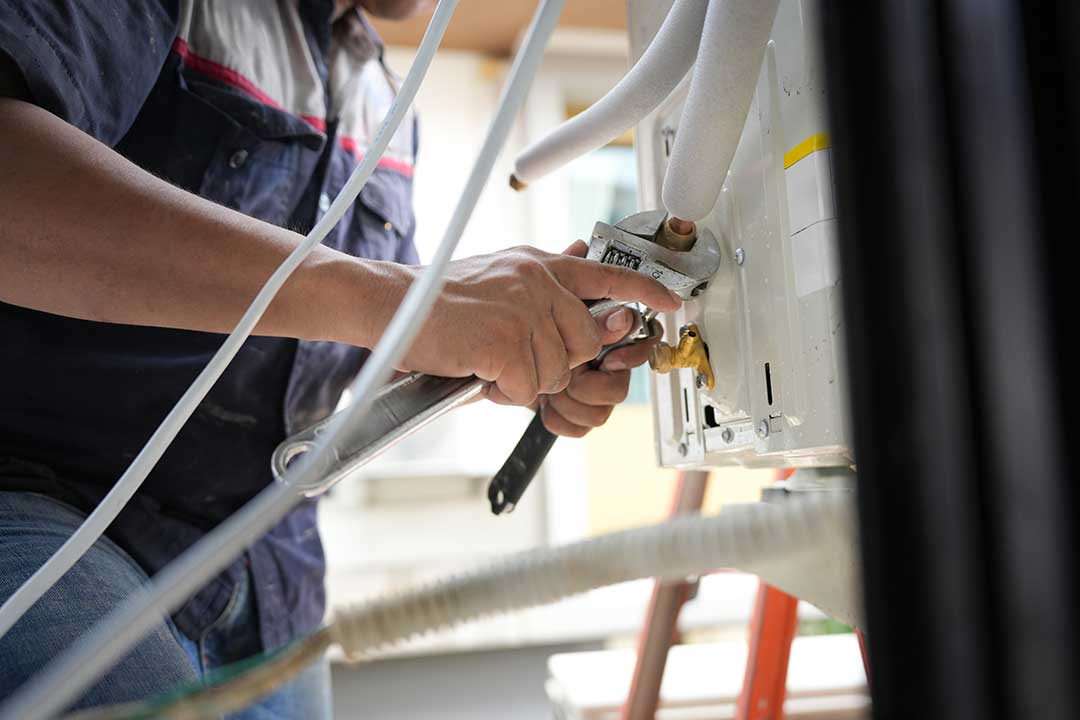
Never attempt to bypass a safety switch or repair a fuel-burning appliance without the required knowledge and equipment. If a strong fuel odor is present, leave the area, avoid flames and electrical switches, and follow the instructions for the fuel system and local emergency guidance.
Are carbon monoxide detectors part of winter HVAC preparation?
Yes. Carbon monoxide detectors are especially important during the heating season in homes with furnaces, boilers, fireplaces, wood-burning stoves, attached garages, or other combustion sources.
Place detectors according to the manufacturer’s instructions, commonly near sleeping areas and on each level of the home. Test them regularly and replace batteries when needed. A detector that is old, damaged, or past its stated service life should be replaced.
Carbon monoxide has no dependable smell or color. Headaches, dizziness, nausea, unusual fatigue, or confusion can be warning signs of exposure. If an alarm sounds, leave the home immediately and seek emergency assistance from a safe location. Do not reenter until the building has been evaluated and declared safe.
How can ductwork and plumbing affect winter comfort?
Leaks in accessible ductwork can waste heated air in attics, crawl spaces, basements, or other unconditioned areas. Look for disconnected sections, damaged insulation, or visible gaps around joints. Small accessible gaps may be sealed with approved duct sealant; ordinary cloth-backed duct tape is not a durable solution for many duct applications.
Winter preparation also includes protecting HVAC-related plumbing. Condensate drains from high-efficiency furnaces, boilers, and air handlers can freeze if they pass through cold areas. A frozen or blocked drain may cause water damage or shut down the system.
Homes with hydronic heating should also be checked for unusual pressure changes, leaking radiator valves, or areas that remain cold. Do not drain or add water to a boiler system unless the equipment instructions specifically explain the procedure.
Should chimney and fireplace systems be checked?
A fireplace or wood-burning stove should have a clear flue and suitable clearance from combustible materials. Creosote accumulation can increase the risk of a chimney fire, especially when wood-burning equipment is used frequently.
Keep the hearth area free of paper, fabric, decorations, and stored firewood. Use only the fuel recommended for the appliance. Never burn painted, treated, or construction wood, and never leave an active fire unattended.
What winter habits help an HVAC system run better?
Once cold weather arrives, steady and reasonable thermostat settings usually support more predictable operation. Keep interior doors open where appropriate so air can circulate, but do not block return grilles in bedrooms, hallways, or living areas.
Use curtains or blinds to reduce nighttime heat loss, especially near older windows. During sunny winter days, opening south-facing window coverings can provide some passive warmth, while closing them after sunset helps retain indoor heat.
If a room is consistently much colder than the rest of the home, the cause may be insulation, air leakage, duct imbalance, window condition, or a thermostat location rather than a failing furnace. Portable heaters should be placed on a solid, nonflammable surface, kept away from bedding and curtains, and plugged directly into a wall outlet.
Preparing before the first prolonged freeze gives residents time to correct simple airflow and safety issues. The most valuable checks are usually straightforward: replace the filter, clear vents and outdoor equipment, test the thermostat, verify carbon monoxide protection, and keep heating equipment free of clutter.