
 See My Latest Article on HelloNation
Why Is My Air Conditioner Running But the House Still Feels Warm?
When the air conditioner is on but the temperature inside doesn’t drop, it’s a common concern for area households—especially during humid Northeast Ohio summers. Several issues, ranging from minor maintenance setbacks to more complex problems, can cause cooling to fall short.
Understanding the likely root causes can help local residents determine whether basic troubleshooting is enough or if the problem is more serious.
Could Dirty Filters Be Blocking Airflow?
Often, a clogged or dirty air filter is to blame. Air conditioners work by pulling warm indoor air across chilled coils; if too little air passes through, cooling becomes much less effective.
- A standard central AC filter in most Canton homes should be checked every month during heavy use—especially given the region’s pollen and household dust.
- Reduced airflow from blocked filters not only limits cooling, but also can cause the system to freeze up or short cycle.
Replacing or cleaning filters regularly is one of the simplest ways to prevent disappointing cooling performance.
Are Thermostat Settings or Placement Causing Trouble?
Sometimes the issue is as basic as an incorrect thermostat setting or location:
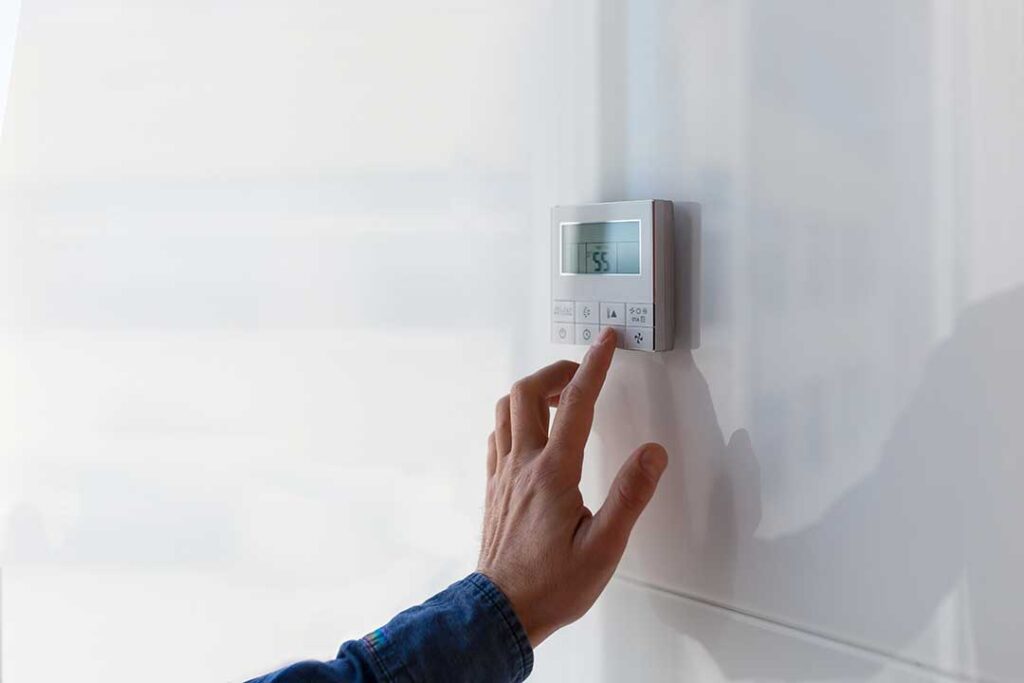
- Make sure the thermostat is set to “cool” and the temperature is set several degrees below room temperature.
- Thermostats located in direct sunlight, near kitchens, or close to drafts can relay inaccurate temperatures to the air conditioner. This sometimes happens in older or DIY-installed systems in the city’s homes.
- Smart thermostats can sometimes get “stuck” in energy-saving modes during seasonal changes, especially after power outages or updates.
Checking thermostat settings and location is a simple step before investigating further.
What If the Outdoor Unit Is Dirty or Blocked?
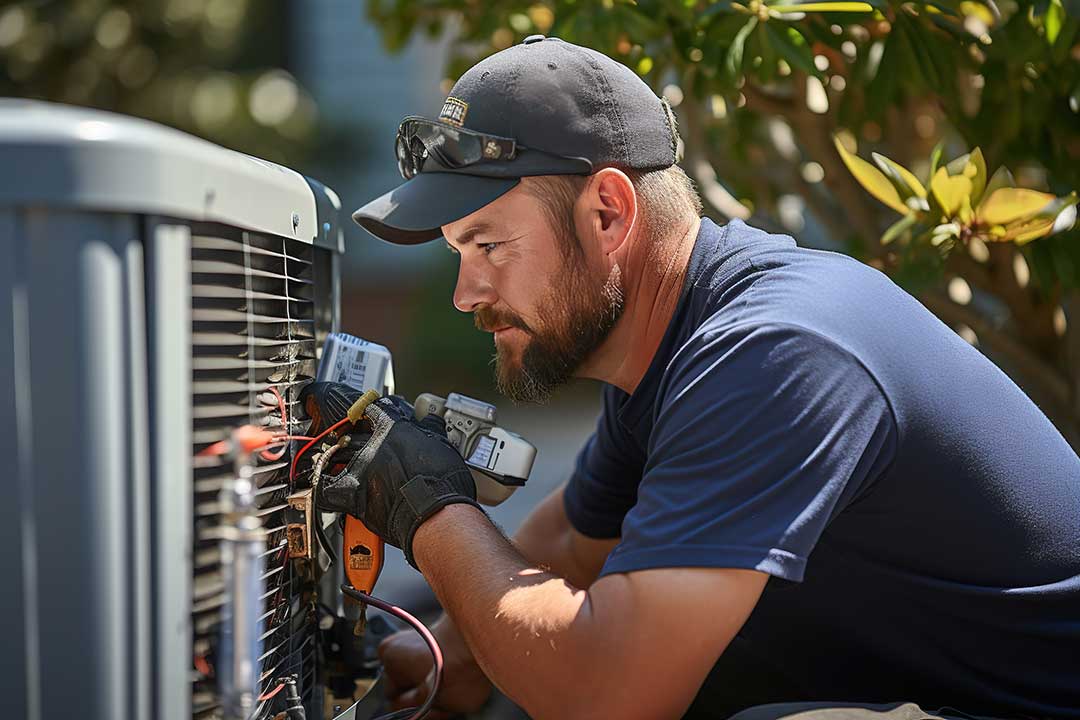
The outdoor condenser unit is responsible for releasing the heat pulled from the house. If this equipment becomes clogged or crowded, cooling efficiency drops dramatically.
- Common obstructions in the area include cottonwood fluff in late spring, overgrown shrubs, grass clippings, or leaves.
- The outdoor unit should have at least two feet of clear space on all sides to operate properly.
- Coils inside can be gently cleaned with a garden hose (after power is shut off), unless they are heavily impacted by grime.
Many local cooling issues start outdoors, and a quick inspection can reveal whether airflow around the condenser is limited.
Could Low Refrigerant Levels Be the Cause?
Air conditioners rely on the correct amount of refrigerant to absorb and move heat. If refrigerant is low, which generally only happens due to a leak, cooling performance will degrade.
Signs of low refrigerant include:
- Ice forming on refrigerant lines or coils
- Warm air blowing from vents even as the AC seems to run continuously
- Hissing or bubbling sounds near the indoor or outdoor unit
Low refrigerant is not a maintenance task for homeowners—it can be a safety concern and impacts system lifespan. If leaks are suspected, it’s advisable to discontinue use until the system can be safely checked by a qualified technician.
Are Blocked or Leaky Ducts to Blame?
In many homes across the city—especially older properties—ductwork can develop leaks, holes, or blockages. This leads to cooled air escaping into walls, attics, or basements before it reaches living spaces.
Signs of duct issues include:
- Large temperature differences between rooms
- Weak airflow from one or more vents
- Increased dust in the home
Insulating and sealing ducts, particularly those running through unconditioned basements or attics, can go a long way toward improving comfort and cooling efficiency.
Is It Just Too Hot and Humid for the AC to Keep Up?
The local climate brings stretches of intense heat and humidity each summer. When outdoor temperatures climb into the high 80s or 90s for several days, even a well-functioning air conditioner might struggle to keep indoor temperatures precisely at the thermostat set point—especially in older homes, or houses with large, west-facing windows.
Simple steps to help the system keep up include:
- Closing blinds or curtains during the hottest part of the day
- Avoiding use of heat-generating appliances (like ovens) in the afternoon
- Ensuring all windows and doors are tightly closed
These habits can ease the demand on your air conditioner and maintain better comfort during peak weather.
What About Power Issues or Faulty Components?
Sometimes, electrical issues can prevent the air conditioning unit from working even if it’s powered on:
- A tripped circuit breaker or blown fuse could affect either the indoor or outdoor components.
- Faulty capacitors, relays, or sensors—common in older installations around the city—may result in partial or erratic operation.
If the compressor or fan won’t start, or the system turns off abruptly, it may be an electrical fault requiring more careful investigation.
Are There Overlooked Maintenance Items?
Other often-missed causes include:
- Insufficient insulation in attic spaces, letting cool air escape upward
- Incorrectly sized air conditioners for the home’s square footage or design
- Aging equipment losing efficiency, which can happen after a decade or more, especially if routine maintenance has been skipped
Regular, basic care such as filter changes, coil cleaning, and seasonal check-ups can help most local air conditioning systems perform optimally year after year.