

 See My Latest Article on HelloNation
What Is a SEER Rating and Why Does It Matter?
A SEER (Seasonal Energy Efficiency Ratio) rating measures how efficiently an air conditioner or heat pump cools your home throughout a typical cooling season. The higher the number, the more energy-efficient the system is considered to be. SEER ratings are mandated on most residential cooling units in the United States, making them an important consideration for area homeowners, especially as energy costs rise.
In practical terms, think of SEER ratings as similar to gas mileage for cars: a higher rating means the system uses less electricity to provide the same level of comfort. For Canton residents dealing with both warm, humid summers and fluctuating spring and fall temperatures, understanding SEER can lead to smarter investments in home comfort and lower utility bills.
How Is SEER Calculated?
SEER represents the ratio of total cooling output (in BTUs) over a cooling season to the total electrical energy input (in watt-hours) during the same period. The calculation takes into account varying outdoor temperatures and how those affect the system’s workload across a typical summer.
- A unit tested with a SEER of 16 provides about 60% more efficiency than one rated at SEER 10 (common in older homes).
- The minimum SEER allowed for new installations in northern states, including Ohio, is currently 13 or 14, depending on the system type and year of manufacture.
While the math can seem technical, what matters for most homeowners is that higher ratings generally equal lower operating costs—though other factors like duct condition, insulation, and regular maintenance also impact real-world efficiency.
What SEER Ratings Are Common in Canton?
In many homes across Canton, older central air conditioners installed before 2006 may have SEER ratings of 8 to 10. Units installed after 2015 commonly feature ratings between 13 and 16. More advanced systems can reach SEER values above 20, but these are less common in typical neighborhoods due to upfront costs and local climate needs.
Area households considering system replacement often look for SEER ratings between 14 and 18 for a good balance of efficiency and affordability. Local building codes and rebate programs sometimes set minimums, so checking those resources can help clarify available options.
How Does Local Climate Affect the Value of a Higher SEER?
Canton’s summer weather includes several stretches of hot, humid conditions, making air conditioning a necessity for comfort and health. Unlike regions with year-round hot climates, local residents use cooling systems heavily in summer and less so the rest of the year.
This means that a higher SEER rating brings real value by reducing electricity use during peak cooling months. Savings may not be as dramatic as in southern states, but with rising energy prices and weather patterns that include occasional heat waves, the difference adds up over time—especially in homes with larger floor plans or multi-story layouts.
Will Choosing a Higher SEER Always Save Money?
A high SEER rating can reduce annual cooling bills, but the savings depend on several key factors unique to each home:
- How often and how long the system runs per season
- The price difference between standard and high-efficiency units
- Proper system sizing, installation quality, and ductwork condition
- Additional improvements like attic insulation or air sealing
For many households, choosing a SEER rating just above the minimum requirement offers most of the benefits without a long payback period. Upgrading from a very old, low-SEER system (like SEER 8 or 10) to a modern 14 or 16 can show noticeable savings, especially as utility rates fluctuate.
Are There Drawbacks to Choosing the Highest SEER Available?
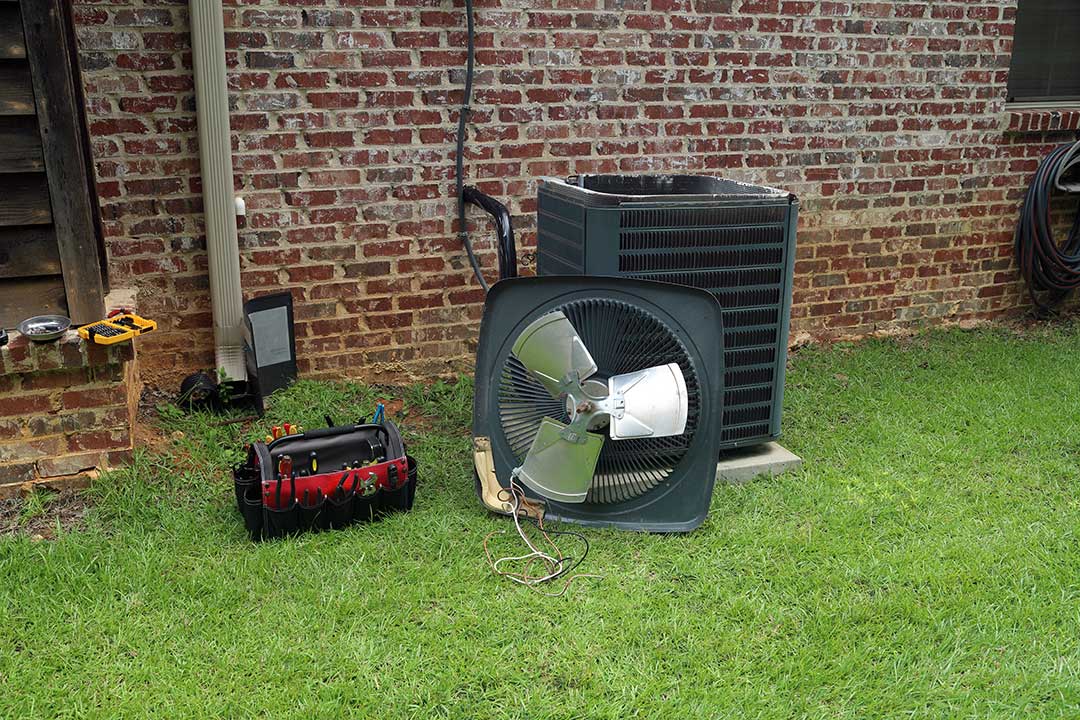
Extremely high-efficiency systems (SEER 20 and above) are often more expensive to purchase and may include advanced features, such as variable-speed compressors and smart controls. These can offer improved comfort and humidity control but may not deliver much additional savings for average cooling loads found in the city.
Also, maintenance, parts, and repair costs might be higher for complex high-SEER units. For most households, matching the SEER rating to expected usage and budget brings better long-term value than simply choosing the largest number.
What Are Some Common Misconceptions About SEER Ratings?
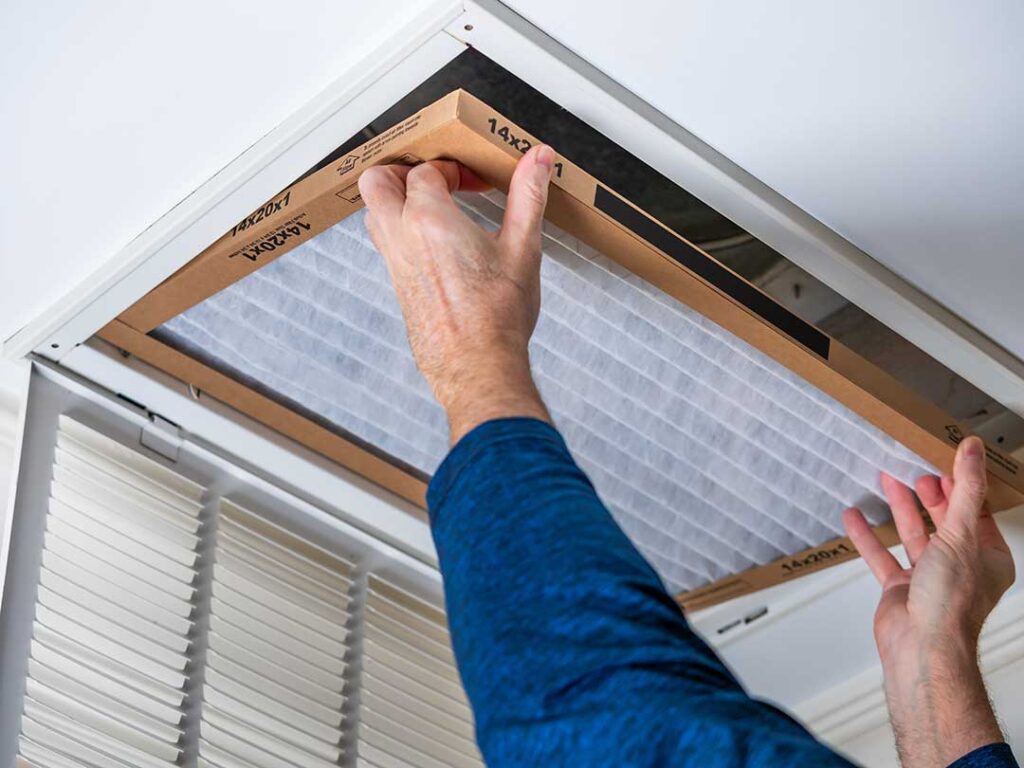
Some people think a high SEER system will fix all comfort or efficiency problems at home. In reality, these ratings only tell part of the story. A well-installed, properly sized system with average SEER can outperform a high-SEER unit with leaky ducts or poor airflow. Regular system maintenance, timely filter changes, and attention to insulation make a big difference for both comfort and cost—no matter what the unit’s label says.
Others believe that a system with a much higher SEER will cool a home faster, but this is not the case. SEER only measures energy efficiency over time; it does not affect how rapidly a home reaches a set temperature.
How Should Local Residents Use SEER Information to Make Decisions?
For Canton, using SEER ratings as part of the decision process is smart, but it’s not the only factor. Homeowners should consider:
- The cost difference between available models and payback period estimates
- Overall condition of the house’s insulation and ducts
- Any local rebates or incentives for upgrading older systems
- The likelihood of staying in the current home long enough to benefit from lower bills
Checking the yellow EnergyGuide label on new equipment and comparing estimated yearly operating costs can help clarify which SEER tier makes sense. For major decisions or complex homes, consulting public resources or local energy efficiency programs is a good first step. The right information leads to lower energy bills and improved comfort throughout each unique Canton summer.