
 See My Latest Article on HelloNation
Spring is the right time to prepare a home’s heating and cooling equipment for warmer weather. In Canton, OH, seasonal swings can leave furnaces running well into spring while air conditioners may need to start working on short notice, so maintenance is most useful before the first sustained stretch of warm weather.
What should be checked first in spring?
Start with the air filter, outdoor unit, thermostat, and visible airflow paths. These simple checks can reveal restricted airflow, debris buildup, or operating problems before they become more disruptive.
A basic spring review should include:
- Replacing or cleaning the HVAC filter, if the system uses a reusable type
- Checking supply and return vents for blocked airflow
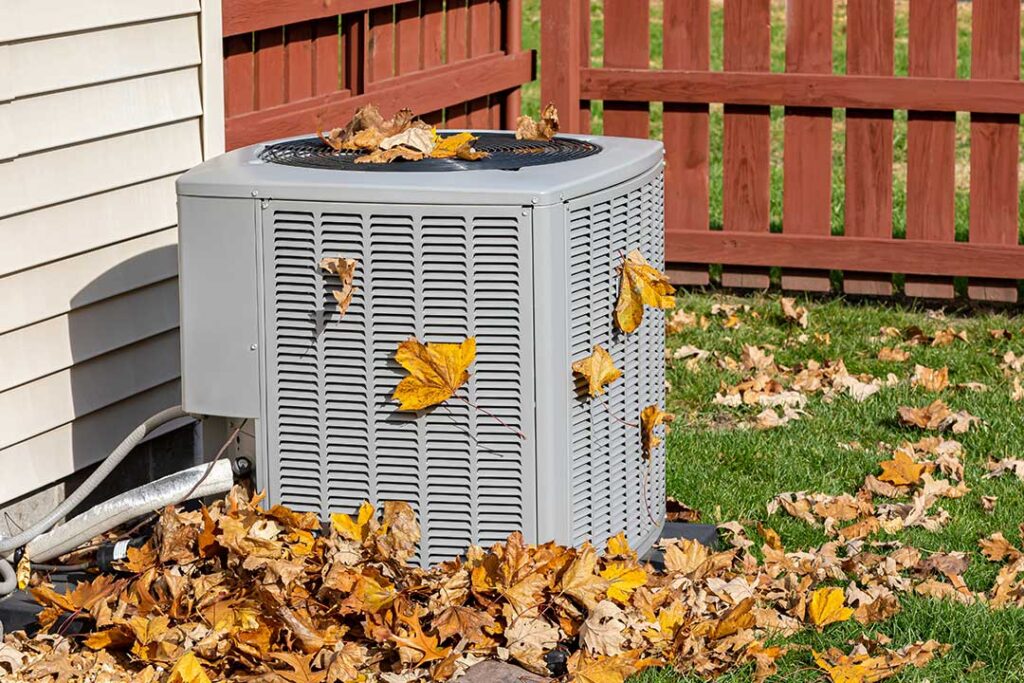
- Clearing leaves, grass, and other debris from around the outdoor condenser
- Testing the thermostat in cooling mode
- Looking for unusual noises, water, rust, or damaged insulation
- Confirming that the condensate drain area is not clogged or overflowing
Turn off power before removing access panels or reaching near the outdoor fan. Homeowners should not open sealed refrigerant circuits, handle electrical components, or work on gas connections.
How often should the HVAC filter be replaced?
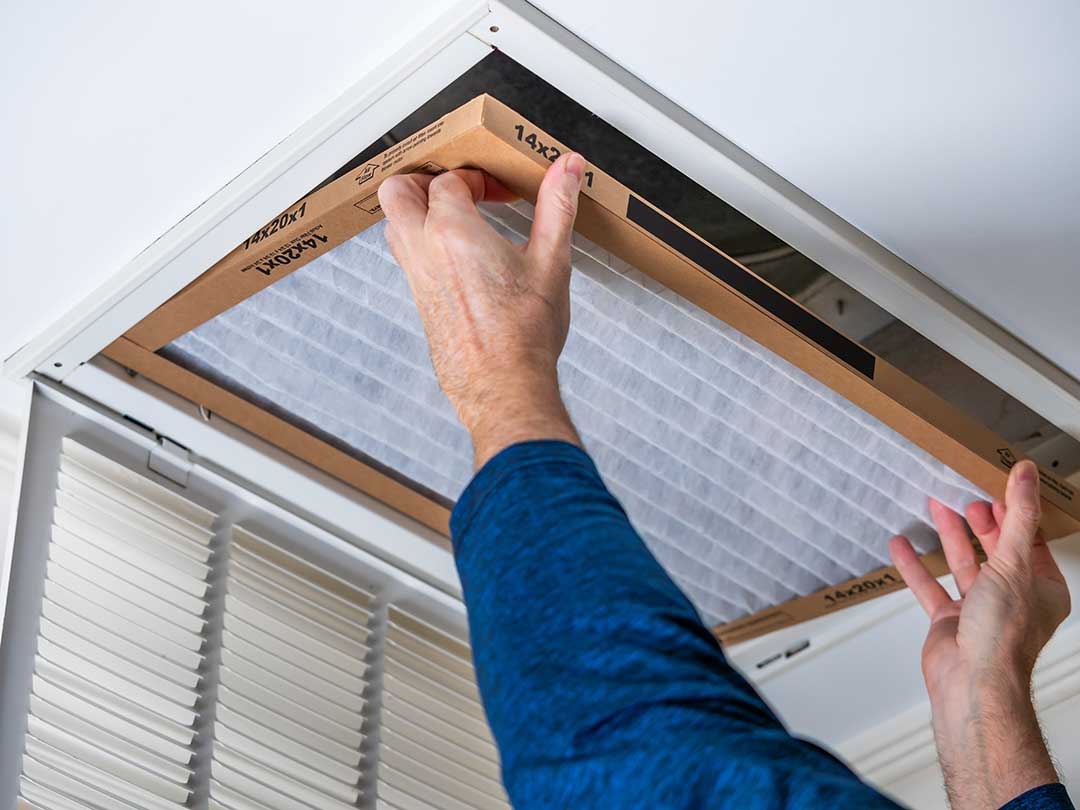
Many standard filters need replacement about every one to three months, but the correct interval depends on the filter type, household conditions, and system design. A home with pets, renovation dust, allergies, or frequent heating and cooling use may need more frequent changes.
A dirty filter can restrict airflow and make the blower work harder. That may reduce comfort, increase operating costs, and contribute to ice forming on the indoor coil when the air conditioner runs.
Check the filter monthly during periods of regular use. Hold it up to a light; if dust substantially blocks the filter material, replacement is usually appropriate. The filter should fit securely without bending, collapsing, or leaving gaps around the frame.
A filter with a higher efficiency rating is not automatically better for every system. If the filter is too restrictive for the equipment, it can reduce airflow. Follow the equipment instructions or use the filter size and type already specified for the system.
What should be done around the outdoor air conditioner?
The outdoor condenser needs open space to release heat. Remove leaves, twigs, grass clippings, and other debris from the cabinet and keep plants, stored items, and loose materials away from the sides.
Before cleaning, shut off electrical power to the outdoor unit. Do not spray water directly into electrical disconnects or controls. A gentle rinse from the inside outward can help remove dirt from the coil, but bent fins should not be scraped or straightened with improvised tools.
Keep at least a modest clearance around the unit, based on the manufacturer’s instructions. Grass should not be allowed to grow into the coil. During mowing, direct clippings away from the condenser.
Do not place a cover over an operating air conditioner. Covers intended for the off-season can trap moisture or restrict airflow if left in place during cooling season.
How can thermostat settings improve spring comfort?
Test the thermostat before the first hot day. Set it to cooling mode, lower the temperature several degrees below the indoor temperature, and listen for the indoor blower and outdoor unit to start. After several minutes, air from the supply vents should begin to feel cooler than the room air.
If the system has a programmable or smart thermostat, review the schedule after the change from heating to cooling. A schedule that worked during colder months may cause unnecessary cooling or leave the home uncomfortable.
Avoid setting the thermostat extremely low in an attempt to cool the home faster. Most central air conditioners cool at a fairly steady rate; a much lower setting usually makes the system run longer rather than producing instant cooling.
If the thermostat display is blank, the system repeatedly starts and stops, or the equipment does not respond, check the circuit breakers once. Repeated breaker trips indicate a problem that should not be resolved by repeatedly resetting the breaker.
Why should condensate drains be inspected?
Air conditioners remove moisture from indoor air as they cool. That water collects in a drain pan and flows through a condensate line. If the line becomes blocked, water can back up and damage ceilings, floors, insulation, or nearby equipment.
Look for standing water near the indoor unit, staining around the drain pan, algae-like buildup, or a full auxiliary pan. Homes with equipment in an attic, closet, or finished basement require particular attention because a small leak may remain hidden until damage is extensive.
Some systems have an accessible drain opening that can be cleared according to the manufacturer’s instructions. Do not pour harsh chemicals into the line, especially if the drain connects to plumbing or if the location is difficult to access.
A recurring blockage, active leak, or water near electrical components requires prompt attention from a qualified HVAC technician.
Should the furnace also be checked in spring?
Yes. Even when cooling becomes the priority, the furnace remains part of the central HVAC system. The blower, wiring, controls, and indoor coil may all affect cooling performance.
Check that return grilles and supply registers are open and unobstructed. Listen for new rattling, scraping, squealing, or delayed startup when the blower operates. Inspect visible ductwork for loose connections, crushed sections, or detached insulation.
If the furnace has a humidifier attached, spring is a useful time to turn off its water supply or place it in the appropriate summer setting, depending on the equipment design. Leaving a humidifier operating unnecessarily can add moisture to the home.
Never remove or bypass a furnace safety switch, flame sensor, pressure switch, or other protective control. A gas smell, soot, unusual flame appearance, or carbon monoxide alarm requires immediate action: leave the home if necessary, avoid ignition sources, and seek emergency assistance.
Are ducts and vents part of spring maintenance?
Airflow problems are often mistaken for air conditioner problems. Dusty or blocked return grilles, closed supply registers, disconnected ducts, and leaks in accessible duct sections can all reduce comfort.
Vacuum visible dust from grille surfaces and keep furniture, rugs, curtains, and storage items away from supply and return openings. Do not seal suspected duct leaks with ordinary cloth-backed duct tape; it can dry out and fail. Accessible joints may require appropriate HVAC foil tape or duct mastic, while concealed duct problems need further evaluation.
Professional duct cleaning is not automatically required every spring. It may be worth investigating when there is visible mold-like growth, pest contamination, substantial debris entering rooms, or persistent dust linked to damaged ductwork. Routine filter replacement and housekeeping address many ordinary dust concerns.
When is professional service necessary?
Some maintenance tasks involve hazards or specialized equipment. A qualified HVAC technician is appropriate for refrigerant leaks, electrical faults, repeated breaker trips, damaged wiring, gas-related concerns, major water leaks, compressor problems, and systems that cannot maintain the thermostat setting.
Spring maintenance is also a reasonable time to address weak airflow, unusual odors, short cycling, or ice on refrigerant lines. Ice does not mean the system needs more refrigerant automatically; it can result from a dirty filter, airflow restriction, blower problem, or other fault.
Record any symptoms, when they occur, and whether they affect the entire home or only certain rooms. That information can make troubleshooting more accurate and help distinguish a maintenance issue from a larger equipment problem.