
 See My Latest Article on HelloNation
How Do You Know If Your HVAC System Needs Repair or Replacement?
The question of whether to repair or replace a home HVAC system is common for many households, especially as seasons change in Canton, OH. The right decision often depends on system age, performance, cost, and how well it matches the needs of local homes and weather.
What Factors Affect the Decision?
Several practical factors help determine if it’s time for repair or full replacement:
- System age: Most systems in the area last 12–20 years, but frequent repairs may signal time for an upgrade.
- Repair costs: If the cost to repair approaches half the price of a new system—or more than a few hundred dollars on an older unit—replacement may provide better value.
- Performance and comfort: Inefficient heating or cooling, uneven temperatures, or rising utility bills are all signals a system may be declining.
- Use patterns: Households in Canton often run their furnaces and central AC more than average, which can accelerate wear and shorten usable lifespan.
Are There Warning Signs That Point to Replacement?
Yes. While every situation is unique, some issues usually suggest a system is near the end of its service life:
- The furnace or AC is more than 12–15 years old and needs a costly repair
- Frequent breakdowns, especially during peak seasons
- Grossly uneven room temperatures or persistent humidity problems
- Noticeably higher energy bills year-over-year
- Difficulty sourcing replacement parts for older models
Unless a system failure presents an immediate health or safety risk—like a carbon monoxide concern—residents often have time to compare repair and replacement options.
When Does Repair Make Sense?
Repair is worthwhile if the problem is minor, costs are relatively low, and the system is otherwise in good shape. For example:
- Replacing a thermostat, capacitor, or other small component
- Sealing minor duct leaks
- Addressing a one-time issue not linked to overall system age
Quick, affordable repairs can buy several more seasons of reliable service, especially for well-maintained systems under 10 years old.
What About the Cost? How Should Residents Weigh Expenses?
A common method is the “$5,000 Rule”—multiply the age of the system by the estimated repair cost. If the result is higher than $5,000, replacement is usually practical. For example, a 15-year-old furnace needing a $500 fix equals $7,500. In this case, investing in a new unit may be wiser, especially if it will improve comfort or efficiency.
Also, consider:
- Energy bill trends over the last few winters and summers
- Likelihood of future repairs based on recent history
- The potential for lower monthly energy costs with modern equipment
Canton households often find that replacing an old, inefficient unit can pay for itself over several years thanks to lower utility bills and fewer repairs.
Do Weather Patterns in Canton Affect This Decision?
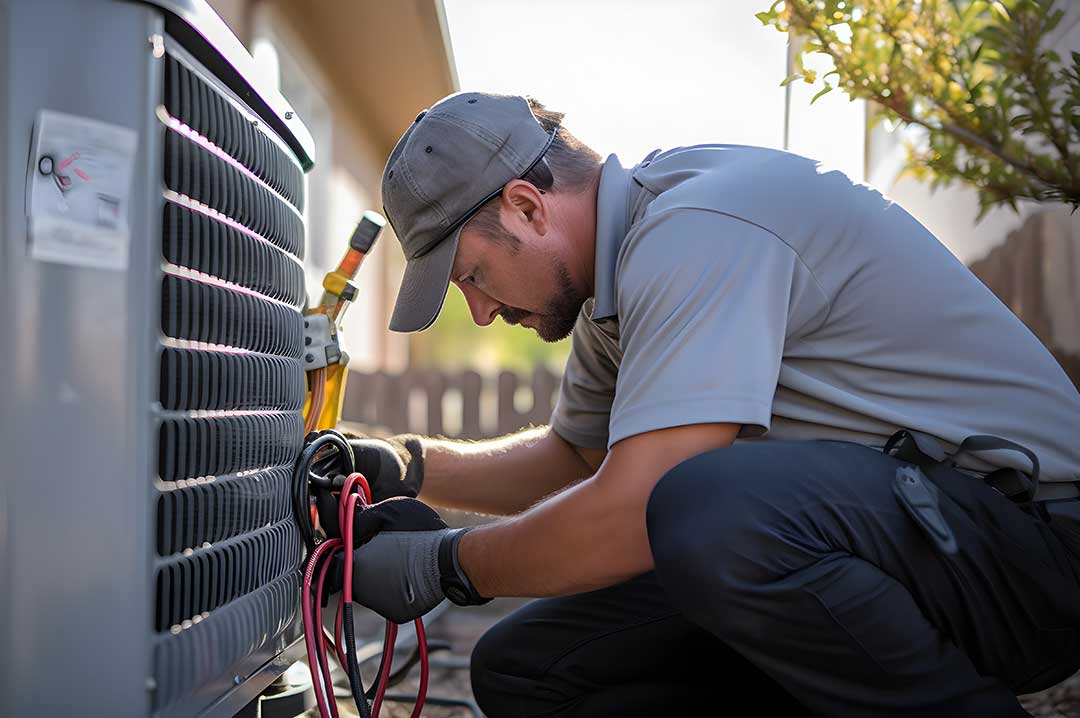
Absolutely. Canton, OH typically experiences cold winters and warm, humid summers. Local furnace and AC units work hard for many months. Systems sized or installed for less demanding climates may struggle here, leading to earlier failure or performance issues.
Extreme cold snaps or heat waves are also more likely to push an old or marginal system over the edge, exposing weaknesses that standard maintenance can’t address.
Residents may want to plan major upgrades before winter or summer to avoid emergencies during peak need.
Are There Common Misconceptions About Repair vs. Replace?
Some homeowners believe small fixes can indefinitely extend a system’s lifespan, or that bigger problems can always be patched. In reality, all major HVAC equipment has a finite life—even with excellent maintenance.
Other myths:
- “It’s cheaper to keep repairing as long as possible.” This can backfire if regular repairs add up to more than a new installation.
- “If the AC or furnace still runs, it’s fine.” Declining comfort, noise, or utility costs are all signs of underlying issues.
- “All systems last 20+ years.” Only some make it this long, especially with high use, hard water, or previous installation problems.
Being honest about actual performance, recent repair history, and local comfort needs usually leads to better, longer-lasting decisions.
What Other Factors Should Local Residents Keep in Mind?
- Home resale plans: Buyers in the area often look for updated HVAC—older, unreliable equipment may impact home value or negotiation.
- Local energy efficiency standards: Modern systems may qualify for rebates or lower energy rates.
- Repair turnaround: In the middle of winter or a summer heat wave, part availability or scheduling delays for old equipment can leave a home uncomfortable for days or longer.
For households with special needs—like very young children, seniors, or medical equipment—reliability may outweigh other factors.
Practical Example: A Canton Household’s Decision-Making Process
A family in the city has a 14-year-old gas furnace that needs a new blower motor, estimated at $600. The home’s temperature is uneven, and the last utility bill was noticeably higher than last year, despite similar weather. In this case, the age of the unit, increased operating costs, and a meaningful repair bill push the family toward considering a replacement—especially if the furnace is essential for a long, cold stretch.
Meanwhile, another household owns a 7-year-old air conditioner that suddenly stops cooling. A local technician finds a failed capacitor, with a $150 repair. There have been no prior issues, and energy bills are stable. Here, a simple repair is likely the right decision, and replacing an otherwise good system would be unnecessary.
What Steps Can Be Safely Taken Before Deciding?
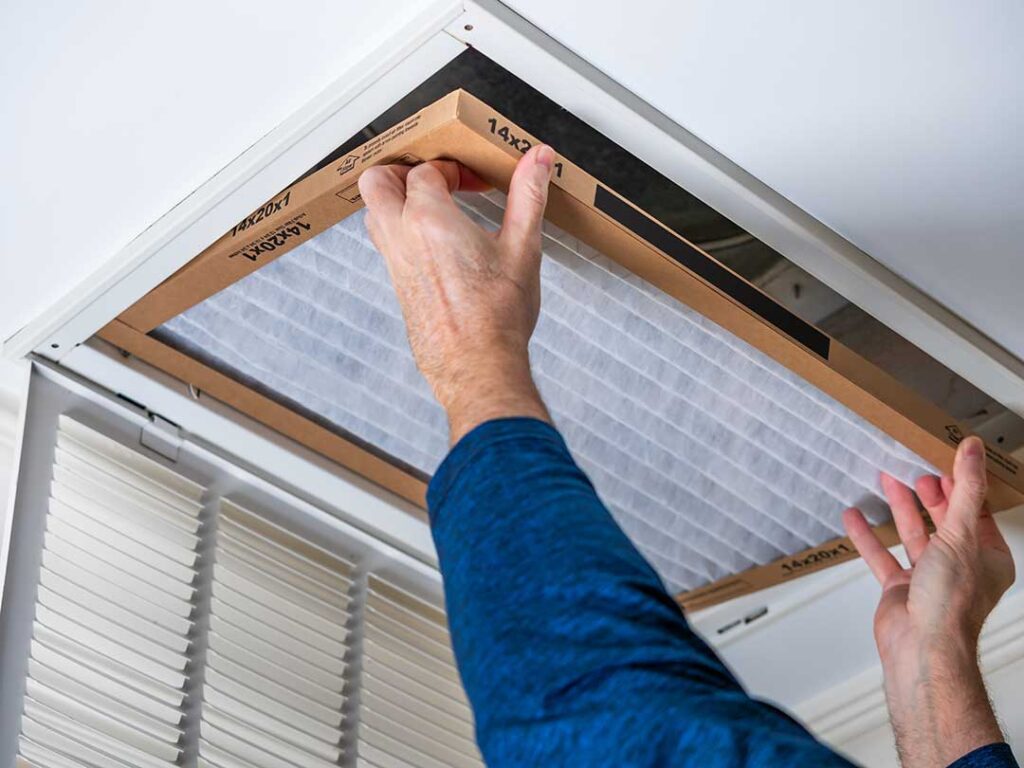
Area residents can check air filters, ensure their thermostat is working, and look for obvious issues like blocked vents or tripped breakers. Reviewing utility bills and jotting down repair histories can also be helpful.
If the system poses no immediate safety hazard, comparing long-range costs and comfort usually leads to the best results. Decisions made under pressure—like during an emergency breakdown—can sometimes lead to regrets.