
 See My Latest Article on HelloNation
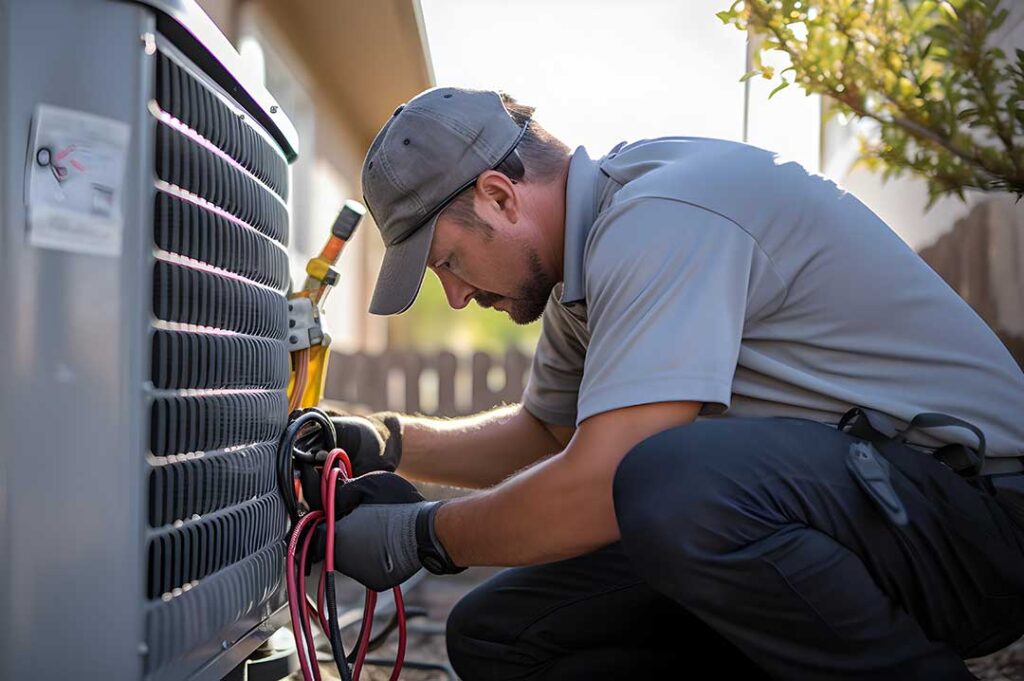
Heating and cooling equipment usually benefits from maintenance twice a year: once before the heating season and once before the cooling season. For many households in Canton, OH, that means checking the furnace or heat pump in early fall and servicing the air conditioner or heat pump in spring.
A regular schedule helps identify worn parts, restricted airflow, drainage problems, electrical issues, and safety concerns before the equipment is working at full capacity. It does not guarantee that a system will never fail, but it can reduce avoidable problems and help maintain steady indoor comfort.
How often should a furnace be maintained?
A furnace should generally be inspected and maintained once each year, preferably before regular heating begins. In Canton, colder weather can arrive quickly in the fall, so waiting until the first extended cold spell may leave little time to address a problem.
Annual furnace maintenance commonly includes:
- Checking the heat exchanger and burner operation
- Inspecting wiring, electrical connections, and safety controls
- Cleaning or examining burners and ignition components
- Checking the blower assembly and motor
- Measuring airflow and temperature change
- Inspecting the flue or venting system
- Reviewing the condition of the air filter
- Testing the thermostat and limit controls
A furnace that runs continuously, makes unusual noises, produces uneven heat, or causes a burning smell after startup may need attention sooner than the normal yearly visit. A brief dusty odor when the furnace first operates after months of inactivity can be normal, but a persistent burning, fuel-like, or exhaust odor should not be ignored.
Does an air conditioner need yearly maintenance?
Yes. An air conditioner is typically best checked once a year, ideally in spring before hot weather places a long, continuous demand on the system.
Air-conditioning maintenance may include inspecting the outdoor coil, checking refrigerant-related performance, examining electrical components, testing the condensate drain, and confirming that the blower and indoor coil can move air properly. Dirt on the outdoor coil, clogged filters, blocked registers, or a partially obstructed drain can all reduce performance.
Waiting until the first very warm day can expose problems that developed during the off-season. An air conditioner may appear to operate normally during a short test but struggle after several hours of sustained use. Early maintenance provides more time to identify issues before indoor temperatures rise.
Is twice-a-year maintenance necessary for a heat pump?
Heat pumps often benefit from two inspections each year because the same system may provide both heating and cooling. A spring check can focus on cooling operation, while a fall check can prepare the system for heating and colder outdoor conditions.
Heat pumps also operate differently from furnaces and conventional central air conditioners. They may run for longer periods, especially during mild weather, and their outdoor units can accumulate leaves, grass, ice, or other debris. A heat pump that frequently switches to auxiliary heat, struggles to maintain the thermostat setting, or develops heavy ice on the outdoor coil may need evaluation.
A small amount of frost can occur during cold weather, and the system is designed to remove it through a defrost cycle. Ice that remains for long periods or covers large portions of the outdoor coil is not a normal condition.
What if the system is new or used only occasionally?
New equipment may still need routine maintenance, although the first service may focus more on inspection, setup, airflow, and installation-related concerns than on significant wear. Manufacturer warranty terms may also include maintenance recommendations, so the owner’s documentation should be reviewed.
Homes that use a furnace only occasionally should not automatically skip annual checks. A system can develop corrosion, dust buildup, blocked vents, or deteriorated wiring while sitting idle. Equipment in a seasonal property or a lightly occupied home may need additional attention to ensure that it starts safely after a long period without operation.
The same principle applies to homes with fireplaces, wood-burning appliances, electric resistance heat, or multiple heating systems. Less frequent use does not eliminate the need to verify safe operation.
When is the best time to schedule maintenance in Canton?
For most households, the most practical timing is:
- Late spring: Air conditioner or heat pump cooling inspection
- Early fall: Furnace or heat pump heating inspection
- Any season: Repairs involving safety symptoms, water leaks, electrical problems, or major performance changes
Local homes experience a broad range of weather through the year, including freezing conditions, damp periods, and hot, humid summer days. Those changes can affect filters, condensate drainage, outdoor equipment, ductwork, and thermostat performance.
Scheduling before peak demand is useful because an issue found in May or September is generally less disruptive than the same issue discovered during a prolonged heat wave or freezing weather.
Does changing the filter count as HVAC maintenance?
Replacing the air filter is essential routine care, but it does not replace a complete system inspection. A filter may need changing every one to three months, although the correct interval depends on its size, the type of filter, household dust, pets, renovation activity, and indoor air quality needs.
A filter should be checked more often if the home has:
- Pets that shed
- Smokers or frequent indoor combustion
- Recent remodeling or construction dust
- Several occupants
- Residents with significant allergies or respiratory sensitivity
- A system that runs for long periods
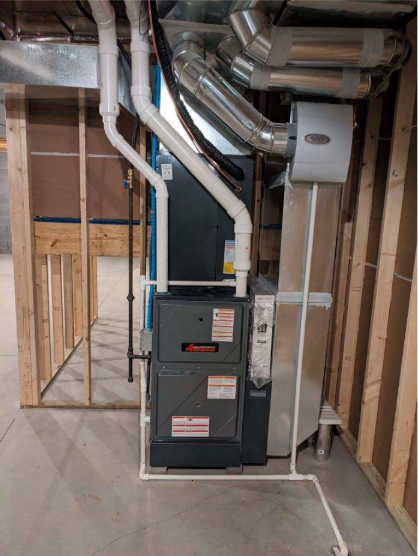
A heavily loaded filter restricts airflow. That can increase operating time, reduce comfort, strain the blower, and contribute to coil or furnace problems. However, installing a filter that is denser than the system can handle may also restrict airflow. The filter should fit correctly and match the equipment’s requirements.
Can homeowners perform HVAC maintenance themselves?
Homeowners can safely handle several basic tasks. These include replacing filters, keeping supply and return vents open, clearing leaves from around an outdoor unit, checking visible condensate drain areas for standing water, and keeping furniture or storage items away from equipment.
More complex work involves combustion, refrigerant, high-voltage electricity, sealed system components, or safety controls. Those areas should not be treated as do-it-yourself projects. A furnace that produces soot, a heat pump with persistent ice buildup, exposed wiring, a refrigerant leak, or a carbon monoxide alarm requires prompt attention.
Carbon monoxide alarms should be installed and tested according to the manufacturer’s instructions, particularly in homes with fuel-burning heating equipment. Any suspected exhaust problem or carbon monoxide warning calls for immediate action, including leaving the area if necessary and contacting emergency services when conditions are unsafe.
What are signs that maintenance is overdue?
A system may need attention before its usual maintenance date if it shows a noticeable change in operation. Warning signs include:
- Uneven temperatures between rooms
- Rising energy use without a clear change in weather or habits
- Short cycling or repeated starts and stops
- Weak airflow from several vents
- Water around indoor equipment
- Unusual rattling, grinding, buzzing, or squealing
- Persistent odors
- Frequent thermostat adjustments
- Breakers that trip repeatedly
- A furnace or heat pump that cannot maintain the selected temperature
These symptoms do not all point to the same cause. A dirty filter, duct leakage, thermostat issue, blocked drain, failing motor, or more serious mechanical problem can produce similar discomfort. Observing when the problem occurs—during startup, after extended operation, only in heating mode, or only in cooling mode—can provide useful information.
For most homes, the practical answer is simple: inspect heating equipment annually, inspect cooling equipment annually, and maintain a heat pump twice a year. Add filter checks and replacements throughout the year, while treating unusual odors, electrical symptoms, water leaks, carbon monoxide concerns, and major comfort changes as reasons for prompt evaluation rather than waiting for the next seasonal visit.