
 See My Latest Article on HelloNation
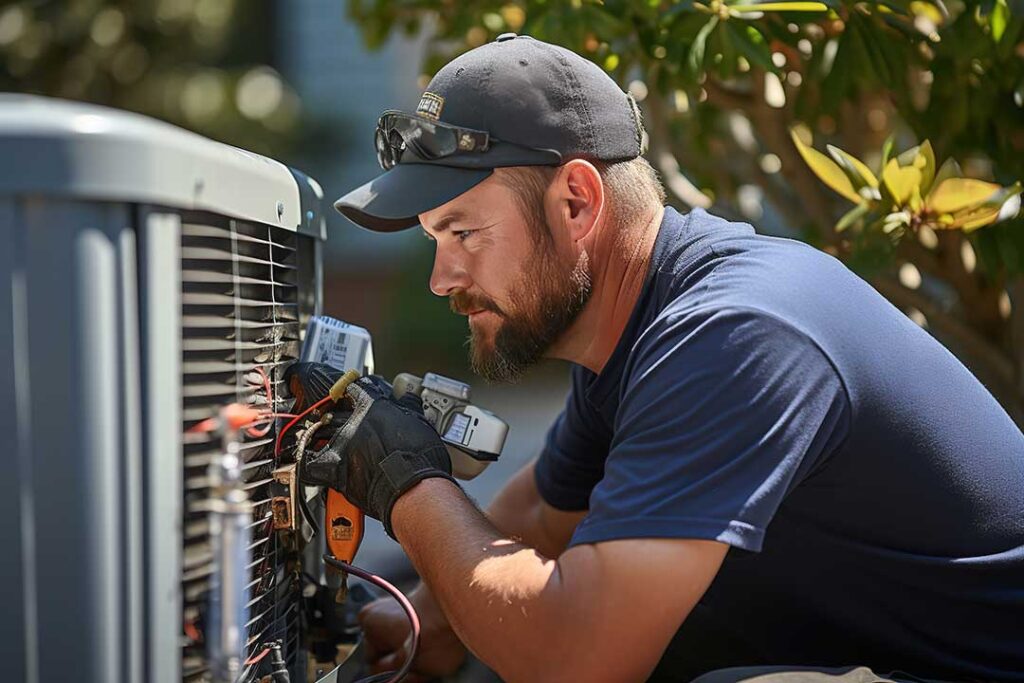
Strange sounds from a heating or cooling system usually have a physical cause: loose hardware, restricted airflow, worn moving parts, expanding metal, or an ignition or electrical problem. The sound’s timing, location, and pattern often provide useful clues before any equipment is opened.
For households in Canton, OH, seasonal temperature changes can make these noises more noticeable. Furnaces may run for long periods during cold weather, while air conditioners, heat pumps, ductwork, and blower fans work harder during warmer months. A new sound should not automatically be treated as an emergency, but some noises deserve prompt attention.
What does a normal HVAC system sound like?
A normally operating system may produce a steady, relatively quiet background sound. Common normal noises include:
- A brief click when a thermostat sends a signal
- A soft hum from a blower motor or electrical component
- Air movement through supply registers and return grilles
- A short whoosh when a blower starts or stops
- Mild ticking from ductwork as metal warms or cools
- A low, steady sound from an outdoor heat pump or air conditioner
Normal sounds are generally consistent and predictable. A noise that becomes louder, rougher, more frequent, or different in character may indicate a developing problem.
Why is the furnace making a banging or popping sound?
A bang or pop at furnace startup is often caused by delayed ignition or the rapid expansion of metal inside the heat exchanger and ductwork. Delayed ignition occurs when gas builds up before the burners ignite, producing a small explosion-like sound. This condition should not be ignored because repeated ignition stress can damage furnace components.
A softer pop from ductwork may result from pressure changes. If a return duct or supply duct flexes inward or outward as airflow changes, it can make a popping sound known as oil-canning.
Other possible causes include:
- A dirty air filter restricting airflow
- Loose access panels
- Duct sections that are poorly supported
- Debris near the blower or burner area
- A blower starting against excessive resistance
If the sound comes directly from the burner area, is accompanied by a strong gas odor, or occurs repeatedly at startup, turn off the heating system and leave the area if a gas leak is suspected. Natural gas odors require immediate attention from the appropriate emergency or utility service.
What causes rattling, clanking, or banging?
Rattling often points to something loose. A panel, screw, grille, duct connection, or piece of insulation may vibrate when the blower or outdoor fan operates. A light rattle may be easy to correct, but a deeper clank can indicate a loose or damaged internal component.
A furnace or air handler may clank when:
- A blower wheel has collected debris
- A motor mount is loose
- A fan blade is damaged or unbalanced
- A belt is worn or misaligned
- A foreign object has entered the blower compartment
Outdoor equipment can also rattle because of leaves, twigs, gravel, or ice near the fan guard. Do not reach through a fan grille or remove panels while equipment is operating. Turn off power before inspecting only the areas that are safely accessible.
A sudden metallic bang followed by reduced airflow, loss of heating, or a burning smell is more concerning than a minor vibration from a loose cover.
Why does an HVAC system squeal or screech?
High-pitched squealing commonly comes from friction or belt-related problems. Older blower assemblies may use belts that become loose, cracked, glazed, or misaligned. A belt can squeal most noticeably when the blower starts and may quiet down as it reaches operating speed.
Other causes include:
- Dry or worn motor bearings
- A blower motor under excessive load
- A slipping pulley
- A dirty blower wheel
- Restricted airflow causing the motor to work harder
A brief squeak may not indicate immediate danger, but continued operation can turn a small mechanical issue into a motor or blower failure. If the noise is sharp, persistent, or worsening, limit system use until the cause is identified.
What does buzzing or humming mean?
A low hum may be normal, but a loud buzz can signal an electrical or mechanical problem. Buzzing may come from a contactor, transformer, capacitor, relay, fan motor, or loose electrical connection.
A failing capacitor may cause an outdoor unit to hum without starting correctly. The system may repeatedly attempt to start, or the outdoor fan may turn slowly. Electrical components can retain a dangerous charge even after the system is switched off, so they should not be handled by an untrained person.
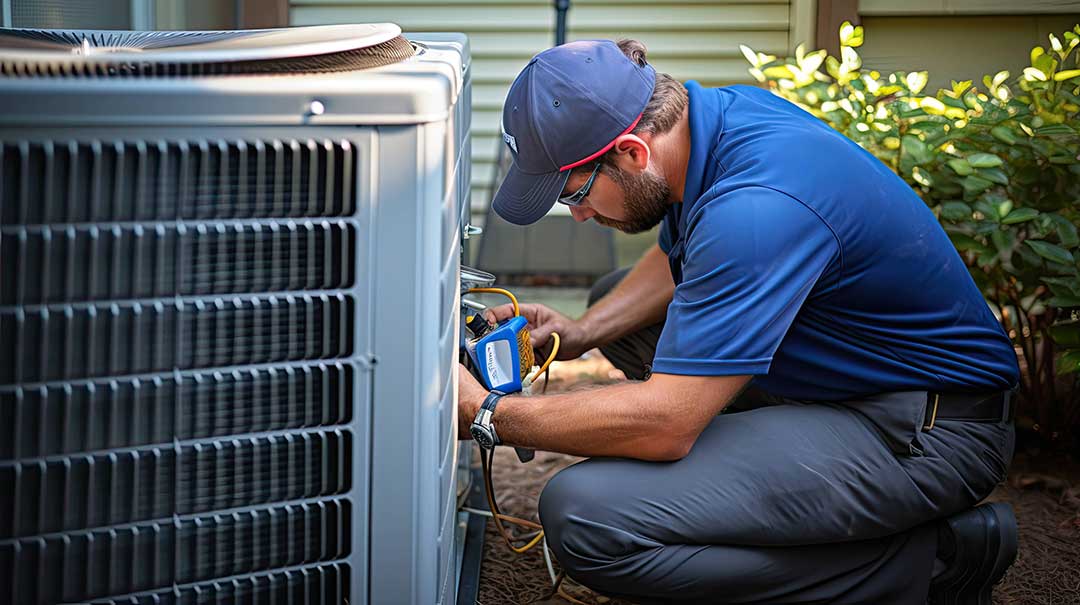
Turn the system off if buzzing is accompanied by:
- A burning smell
- Flickering lights
- Smoke
- Repeated breaker trips
- A hot electrical panel or equipment cabinet
- A motor that struggles to start
Why is there a clicking or ticking noise?
Some clicking is part of normal operation. Thermostats, relays, and control boards may click as the system changes modes. Ductwork can also tick as it expands during heating and contracts as it cools.
Repeated clicking without successful startup may indicate a control, ignition, or electrical problem. In a gas furnace, clicking from the ignition sequence followed by no heat may point to an issue with ignition, flame sensing, or fuel delivery.
Clicking from an outdoor unit may come from a relay or contactor. If the system clicks repeatedly but the fan or compressor does not start, switch the equipment off rather than allowing it to cycle continuously.
What causes water sounds, gurgling, or bubbling?
Gurgling usually involves condensate or refrigerant-related movement. During cooling season, air conditioners and heat pumps remove moisture from indoor air. That water should flow through a drain line into an approved drain location.
Water sounds may occur when:
- A condensate drain is partially blocked
- The drain trap is dry or improperly configured
- The condensate pump is struggling
- Air is moving through a partially filled drain line
- A drain pan contains standing water
Check for water around the indoor unit, rust, staining, or a system that shuts down unexpectedly. Moisture near electrical components can create a safety hazard and may damage floors, ceilings, or nearby building materials.
Can airflow problems create unusual noises?
Yes. A dirty filter, blocked return grille, closed supply registers, or crushed duct can change air pressure and create whistling, whooshing, or fluttering sounds. A filter that is heavily loaded with dust makes the blower work harder and may increase operating noise.
A whistling sound at a grille often means air is being forced through a narrow opening. Check that registers are open and that return grilles are not covered by furniture, curtains, or stored items. Replace a disposable filter with the correct size and airflow rating rather than choosing a filter solely because it is the most restrictive.
In older homes, duct joints may also leak or vibrate. Seasonal expansion and contraction can loosen connections over time.
Which HVAC noises require immediate action?
Shut the system off and seek prompt help when a strange noise is paired with a gas odor, smoke, burning insulation smell, sparking, water near electrical equipment, carbon monoxide alarm activation, or repeated breaker trips.
A carbon monoxide alarm should always be treated seriously. Leave the building if the alarm sounds and follow emergency guidance. Do not assume the alarm is caused by a nuisance HVAC noise.
For less urgent sounds, write down when the noise occurs: startup, shutdown, cooling, heating, or continuous operation. Note whether airflow, temperature, odors, or electrical behavior has changed. That information can make troubleshooting more precise and can help distinguish normal duct expansion from a failing motor, blower, ignition system, or electrical component.