
 See My Latest Article on HelloNation
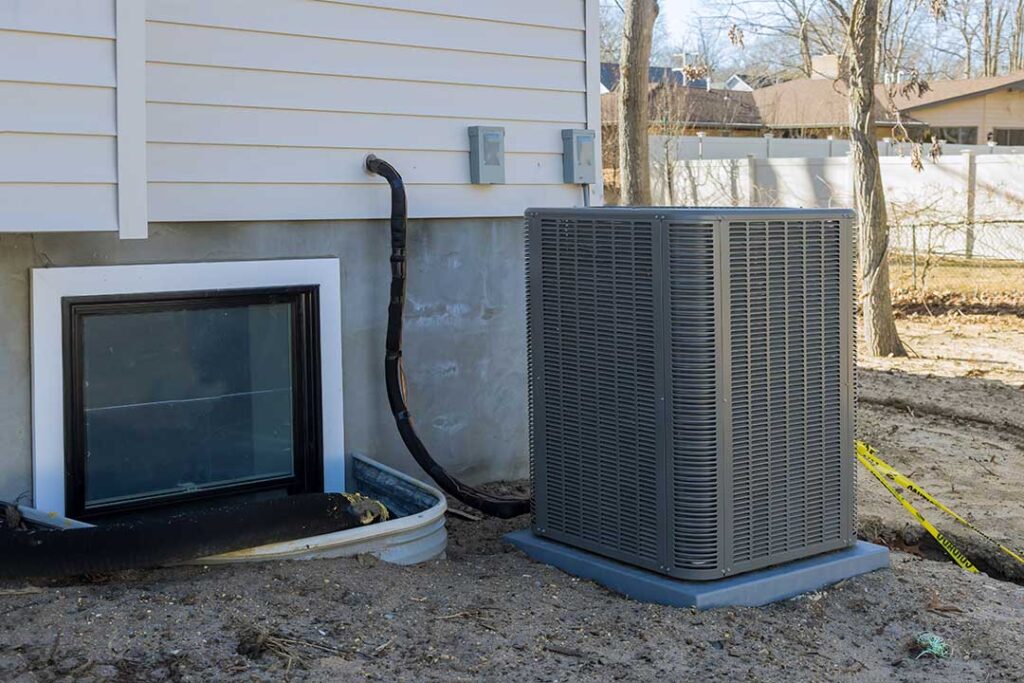
Heat pumps are heating and cooling systems that move heat rather than create it through combustion or electric resistance. In winter, they pull available heat from outdoor air and move it indoors. In summer, the process reverses, carrying heat from the home outdoors.
For households in Canton, OH, this technology can provide year-round temperature control, but its performance depends on outdoor conditions, home insulation, ductwork, equipment sizing, and the type of backup heat available.
What exactly is a heat pump?
A heat pump is a refrigeration system that can operate in two directions. It uses a refrigerant, compressor, outdoor coil, indoor coil, expansion device, and fans to transfer heat between two locations.
The same basic process makes a refrigerator work. A refrigerator removes heat from the insulated cabinet and releases it into the surrounding room. A heat pump can reverse that movement:
- During heating, it transfers heat from outside into the home.
- During cooling, it transfers heat from inside the home to the outdoors.
Because the system transfers heat instead of generating it directly, it can deliver more heat energy than the electrical energy used to operate the compressor and fans. Efficiency varies with outdoor temperature and equipment design.
How does a heat pump heat a house in winter?
Even cold outdoor air contains usable thermal energy. The refrigerant in a heat pump is colder than the outdoor air while it passes through the outdoor coil. Heat moves from the air into the refrigerant, causing the refrigerant to evaporate into a gas.
The compressor then raises the refrigerant’s pressure and temperature. The hot refrigerant travels to the indoor coil, where it releases heat into the home’s air. As the refrigerant cools, it changes back toward a liquid and returns outdoors to repeat the cycle.
This process continues during cold weather, although the system may need to run longer as the outdoor temperature drops. Cold-climate models are designed to maintain useful heating capacity at lower temperatures than older heat pumps.
How does the same system provide air conditioning?
Cooling works by reversing the direction of refrigerant flow. The indoor coil becomes cold, absorbing heat from indoor air. The refrigerant carries that heat outdoors, where the outdoor coil releases it.
The indoor blower then circulates cooled air through the ductwork. Moisture also condenses on the cold indoor coil, so a heat pump can reduce indoor humidity while operating in cooling mode.
A heat pump may look and operate much like a central air conditioner during summer. The major difference is that the system can reverse its refrigerant flow for winter heating.
What happens when the outdoor unit frosts over?
A light layer of frost on the outdoor coil can occur during damp, cool weather. The system periodically enters a defrost cycle to remove it.
During defrost, the heat pump briefly reverses operation so that warm refrigerant flows through the outdoor coil. The outdoor fan may stop, and steam can rise from the unit as melting frost evaporates. These sounds and visual changes are usually normal.
A backup heating element or auxiliary heat source may operate during defrost to prevent a noticeable drop in indoor comfort. If the outdoor coil remains covered in thick ice, the system runs continuously without warming the home, or airflow becomes abnormal, the condition may indicate a problem with drainage, airflow, controls, or refrigerant performance.
Are heat pumps practical during Canton winters?
They can be, but the system must be selected for the local heating season rather than judged only by mild-weather performance. Canton experiences freezing temperatures, snow, wind, and extended periods when heating demand is high. Outdoor-unit placement and maintenance therefore matter.
A properly selected cold-climate heat pump can operate in low temperatures, but its heating capacity and efficiency generally decline as the air gets colder. The home may also need supplemental heat during the coldest periods.
Common backup arrangements include:
- Electric resistance heat built into the indoor air handler
- A furnace used in a dual-fuel system
- Another existing heating system that operates below a chosen outdoor temperature
The changeover point depends on equipment capacity, utility rates, comfort preferences, and the condition of the home. A heat pump should not be evaluated solely by whether it can run at a particular low temperature. The more useful questions are how much heat it can deliver, how efficiently it operates, and whether the home’s heat loss is within the system’s design capacity.
What is the difference between ducted and ductless heat pumps?
A ducted heat pump uses an indoor air handler and distributes conditioned air through existing ductwork. It is often suitable for homes with reasonably well-designed ducts that already serve most rooms.
A ductless heat pump, often called a mini-split, uses one or more indoor wall-mounted or ceiling-mounted units connected to an outdoor compressor. It can be useful for additions, rooms without ductwork, converted spaces, or homes where extending ducts would be difficult.
Ductless systems can provide room-by-room control, but indoor units must be positioned carefully. A single indoor unit may not distribute heat evenly through a home divided by closed doors, narrow hallways, or multiple floors.
Do heat pumps work with older homes?
Yes, but the home itself strongly affects comfort and operating cost. Older houses may have air leakage, limited insulation, uneven ductwork, or rooms that lose heat faster than the rest of the building.
Before evaluating equipment size, consider:
- Attic, wall, and basement insulation
- Drafts around doors, windows, and plumbing penetrations
- Duct leakage or poorly insulated ducts
- Oversized or undersized existing heating equipment
- Room-to-room temperature differences
- Electrical service capacity
Improving the building envelope can reduce the heating load and help a heat pump maintain comfortable temperatures. It can also reduce the amount of backup heat needed during severe weather.
Does a heat pump use more electricity than a furnace?
A heat pump uses electricity for the compressor, fans, controls, and sometimes supplemental heat. A gas furnace uses fuel for combustion and electricity for its blower and controls. Comparing the systems requires looking at local fuel prices, electric rates, equipment efficiency, maintenance, and the amount of backup heat used.
A heat pump may be efficient during moderate winter weather but rely more heavily on supplemental heat during very cold periods. Electric resistance backup heat can use substantially more electricity than the compressor-based heat pump itself, so frequent auxiliary operation deserves attention.
Thermostat settings can also affect energy use. Large setbacks may cause a system to activate supplemental heat while recovering. A steady, moderate setting is often more suitable for systems designed to run for longer periods.
What maintenance does a heat pump need?
Basic upkeep helps preserve airflow and allows the system to transfer heat properly.
- Replace or clean air filters according to the filter type and household conditions.
- Keep leaves, grass, snow, and other obstructions away from the outdoor coil.
- Maintain clear space around the outdoor unit so air can move freely.
- Keep supply registers and return grilles open and unobstructed.
- Check that condensate drainage is not blocked during cooling season.
- Pay attention to unusual noises, repeated short cycling, weak airflow, or frequent auxiliary heat operation.
Snow should not be packed around the outdoor unit. The equipment needs open airflow and a clear path for water to drain during melting and defrost cycles.
A heat pump’s most useful advantage is its ability to provide both heating and cooling from one reversing system. Its most important limitation is that performance depends on the relationship between outdoor conditions, equipment capacity, and the home’s heat loss. Understanding that balance makes it easier to interpret normal operation, recognize potential problems, and compare heating options realistically.