
 See My Latest Article on HelloNation
Why Does Ductwork Maintenance Matter for Households in Canton, OH?
Ductwork plays a crucial role in distributing heated and cooled air throughout homes in Canton, OH, which helps maintain comfort through our cold winters and humid summers. Keeping these air channels clean and well-sealed prevents unnecessary energy loss, improves indoor air quality, and can help avoid costly repairs down the line.
Many homes in the city have older ductwork systems, and with fluctuating seasonal temperatures and Midwest humidity, leaks and buildups are not uncommon. Local households might notice uneven temperatures, higher utility bills, or more dust—often, these are duct-related issues that are easier to manage with regular care.
How Often Should Ductwork Be Checked?
Routine inspections are typically recommended at least every two to three years, but there are circumstances where more frequent attention is helpful. In area homes exposed to pet dander, recent construction, or heavy pollen, a yearly check may be wise.
Quick signs that a duct check may be due:
- Noticeable increase in dust buildup around vents
- Rooms that don’t seem to heat or cool evenly
- Unexplained spikes in energy bills
- Whistling or rattling sounds when the HVAC is running
For most families in the region, adding ductwork checks to a spring or fall home maintenance routine makes sense.
What Basic Steps Can Residents Take to Maintain Ductwork?
Residents can keep their home’s ductwork functioning well by focusing on cleanliness, sealing, and airflow. The following practices can prevent most common problems:
*Change HVAC filters regularly.*
Dirty filters restrict airflow and can allow more debris to settle in the ducts. Filters in heating and cooling systems should typically be changed every 1-3 months, especially during peak use seasons.
*Check vent covers and grilles.*
Dust and vacuum supply and return registers every few months. This step helps reduce the amount of dust entering the duct system, and it allows for unobstructed airflow.
*Keep vents unblocked.*
Furniture, curtains, and rugs should not block vents. Good airflow keeps the system efficient and reduces strain.
*Visually inspect accessible ductwork.*
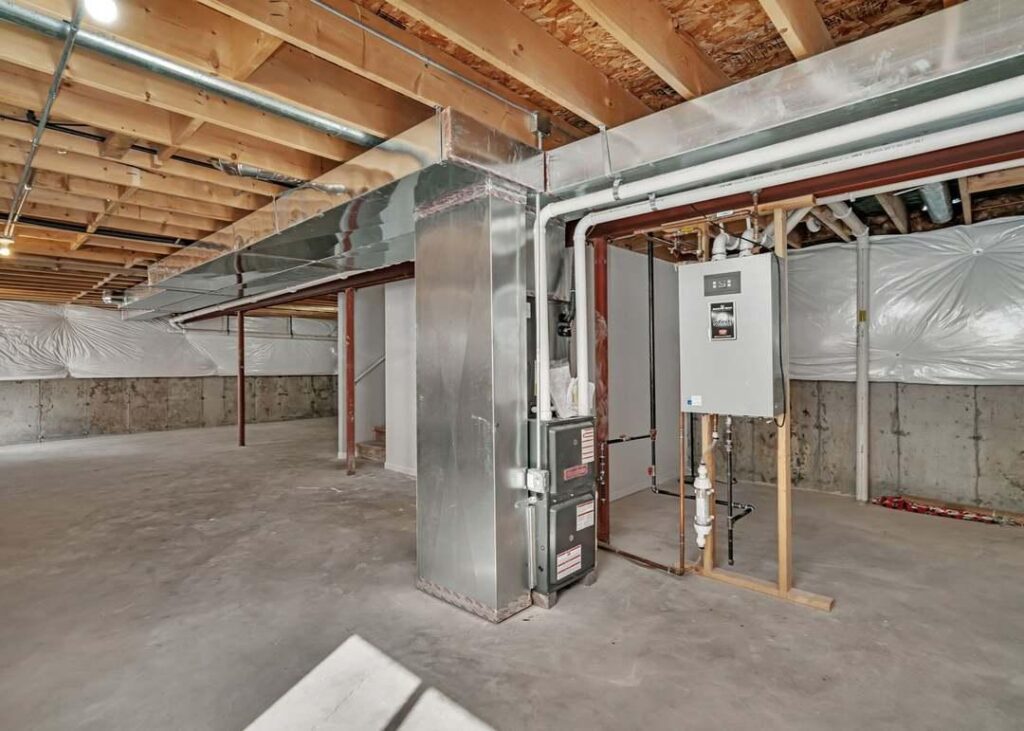
Homeowners can look for obvious gaps, disconnected joints, or damage in exposed ducts, often found in basements or utility spaces. Metal tape (specifically marked for ducts) can be used to temporarily seal visible gaps until a permanent solution is arranged.
Should Ducts Be Cleaned Professionally, and If So, When?
Not every duct system needs routine professional cleaning. The EPA recommends cleaning only if there are clear signs of mold, pest infestation, or excessive clogging with dust and debris.
Because Canton’s climate leads to closed windows for much of the year, indoor air pollutants can build up more than in regions with milder seasons. However, most airborne allergens settle in filters, not ducts. Residents with allergies or respiratory sensitivities may benefit from periodic cleaning, but regular filter changes remain more important for air quality.
How Do Weather and Local Housing Impact Duct Issues?
Canton’s fluctuating temperatures and humidity can affect how ductwork ages:
- Metal ducts can expand and contract, causing joints to loosen over time.
- Basements and crawl spaces, common in many area homes, can harbor moisture, leading to rust or mold in ducts if not sealed correctly.
- Older homes may have ducts designed for different HVAC systems, resulting in inefficient airflow or insulation gaps.
Addressing condensation (moisture forming on cold ducts in humid basements), ensuring insulation remains intact around exposed ducts, and sealing unused duct access points are especially important for local properties.
Which Common Mistakes Should Be Avoided?
Some common misconceptions can actually shorten the life of duct systems or reduce home comfort:
- Using duct tape for repairs: Despite the name, general-purpose duct tape quickly fails with heat and cold changes. Only aluminum foil tape made for HVAC is appropriate.
- Closing supply vents to unused rooms: This can increase pressure in the ducts, leading to leaks and inefficiency.
- Neglecting insulation: Uninsulated ducts running through unconditioned spaces lose heated or cooled air, raising energy costs.
- Overlooking attic ductwork: Attics can reach extreme temperatures and are often forgotten during routine checks.
Are There Seasonal Considerations Unique to the Community?
Area households prepare for long winters and muggy summers. Seasonal changes place extra demands on HVAC systems and their ductwork:
- In early spring and late fall, inspect for drafts or fluctuating temperatures as weather shifts can reveal leaks.
- After pollen-heavy months or construction season, check and change filters to minimize buildup.
- Before the first heating or cooling cycle of the season, a quick walk-through to check ducts for obstructions, rust, or unusual odors can prevent problems when the system starts working full-time.
What Signs Suggest More Serious Duct Problems?
While most maintenance is simple, some issues need closer attention:
- Persistent musty smells or visible mold around vents
- High humidity in parts of the home even with air conditioning running
- Rooms that are consistently hard to keep warm or cool after all other routine steps
In these cases, the problem may extend beyond basic cleaning and maintenance and could indicate structural issues with the ductwork or HVAC system that require more comprehensive repairs.